
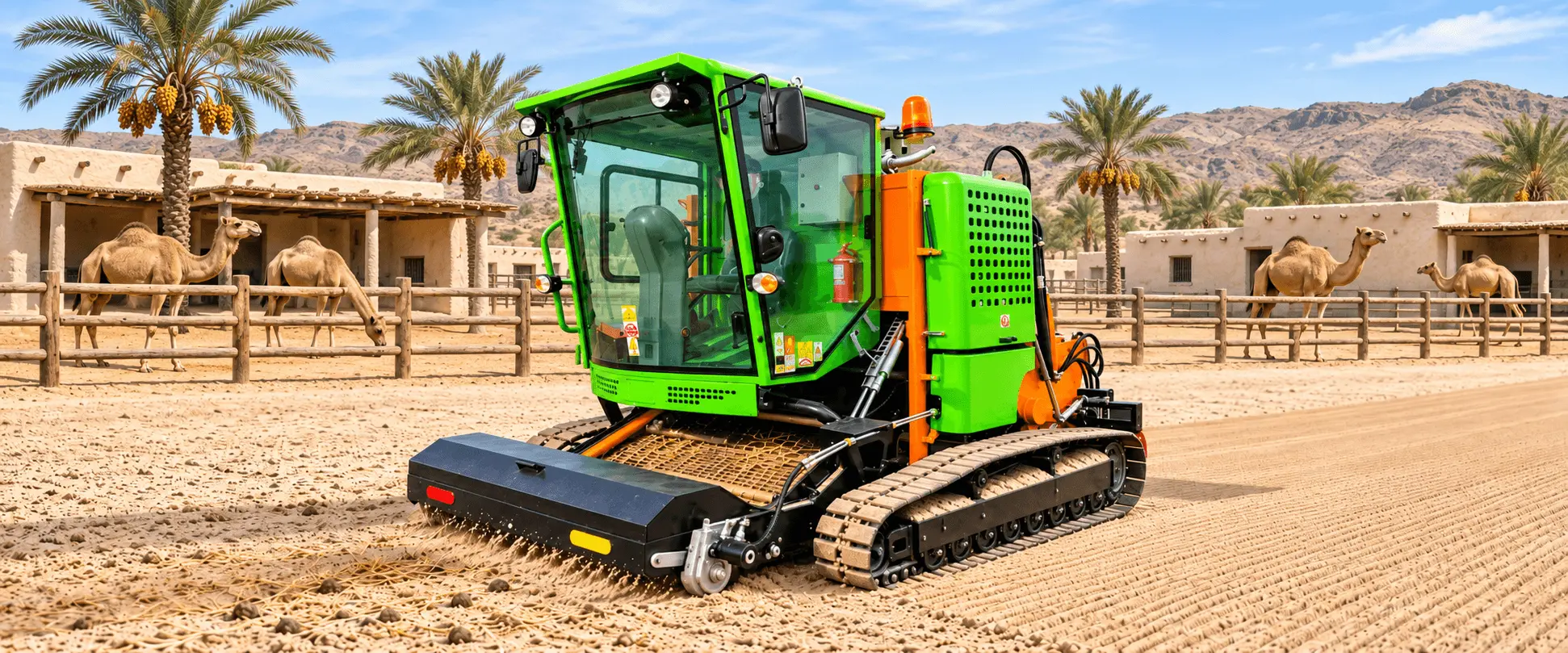
On camel farms, the layout of shelters and exercise areas depends on the local climate and terrain. Farms built on sandy land can make use of the natural ground or prepare dedicated sand surfaces in resting areas and outdoor enclosures. The camels’ physical characteristics, movement patterns and the size of the areas they occupy as a herd all matter when maintaining these surfaces.
Sand cleaning on camel farms is planned around how each sandy area is used. Sand cleaning machines are one option for maintaining large surfaces.
Why Is Sand Cleaning Important on Camel Farms?
Manure, leftover feed and debris carried in from outside can build up in areas occupied by camels and change the sand’s natural texture. When animals spend long periods in the same places, waste can become concentrated in certain spots. This can make it harder to maintain hygiene and leave resting and exercise areas unsuitable for use.
Organic matter left in the sand can begin to decompose when it gets wet, producing unpleasant odors. Dirty, damp areas can also provide conditions for some microorganisms to multiply. Removing waste from sand surfaces helps keep the animals’ surroundings hygienic.
Cleaning also has financial benefits for the farm. Separating debris from usable sand can make it easier to plan when the surface needs to be renewed and extend the life of the existing sand.
Metal tools, horseshoe nails and other debris in the sand can injure camels, so it is important to remove them regularly.
How Is Sand Cleaned on Camel Farms?
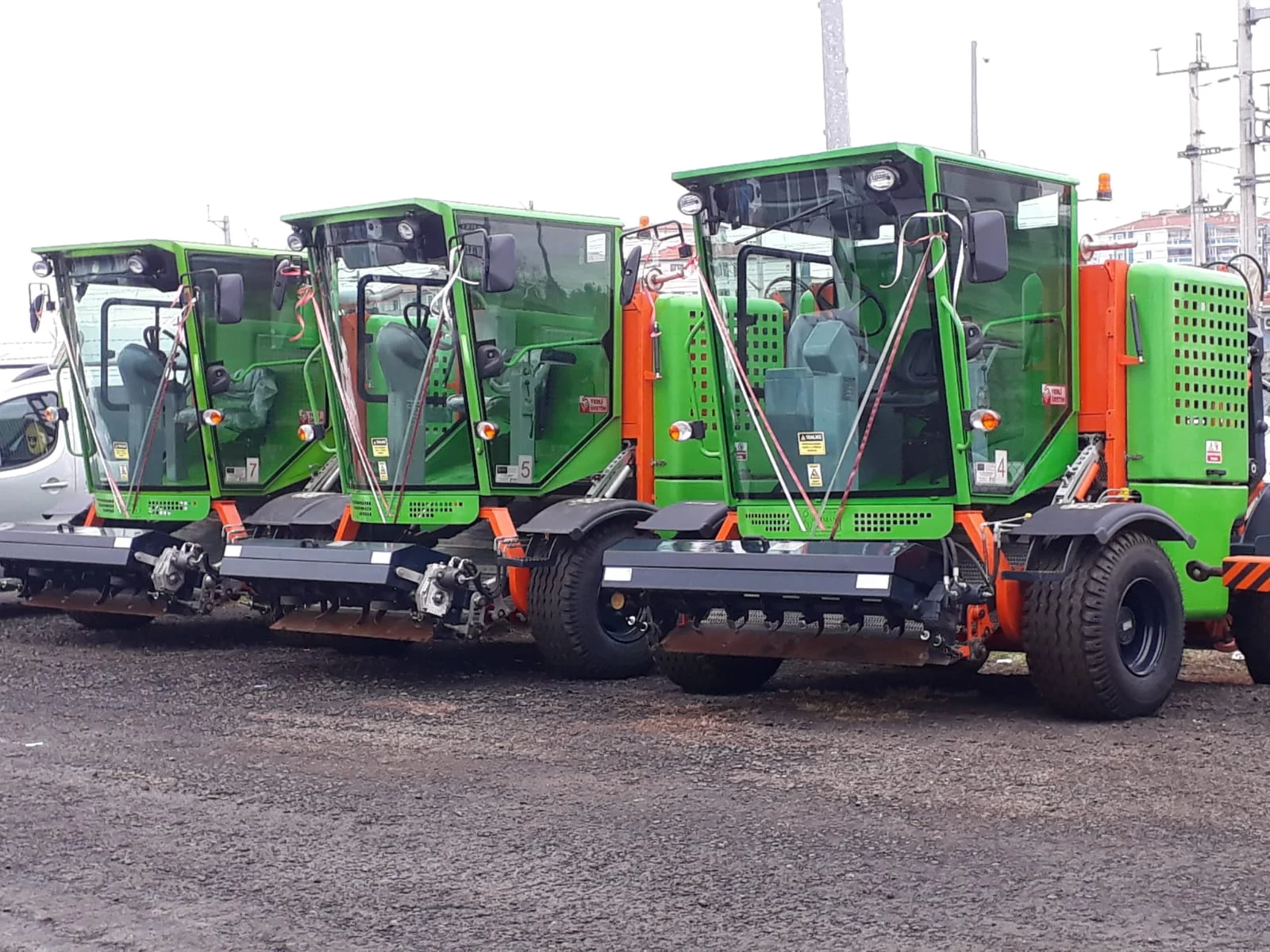
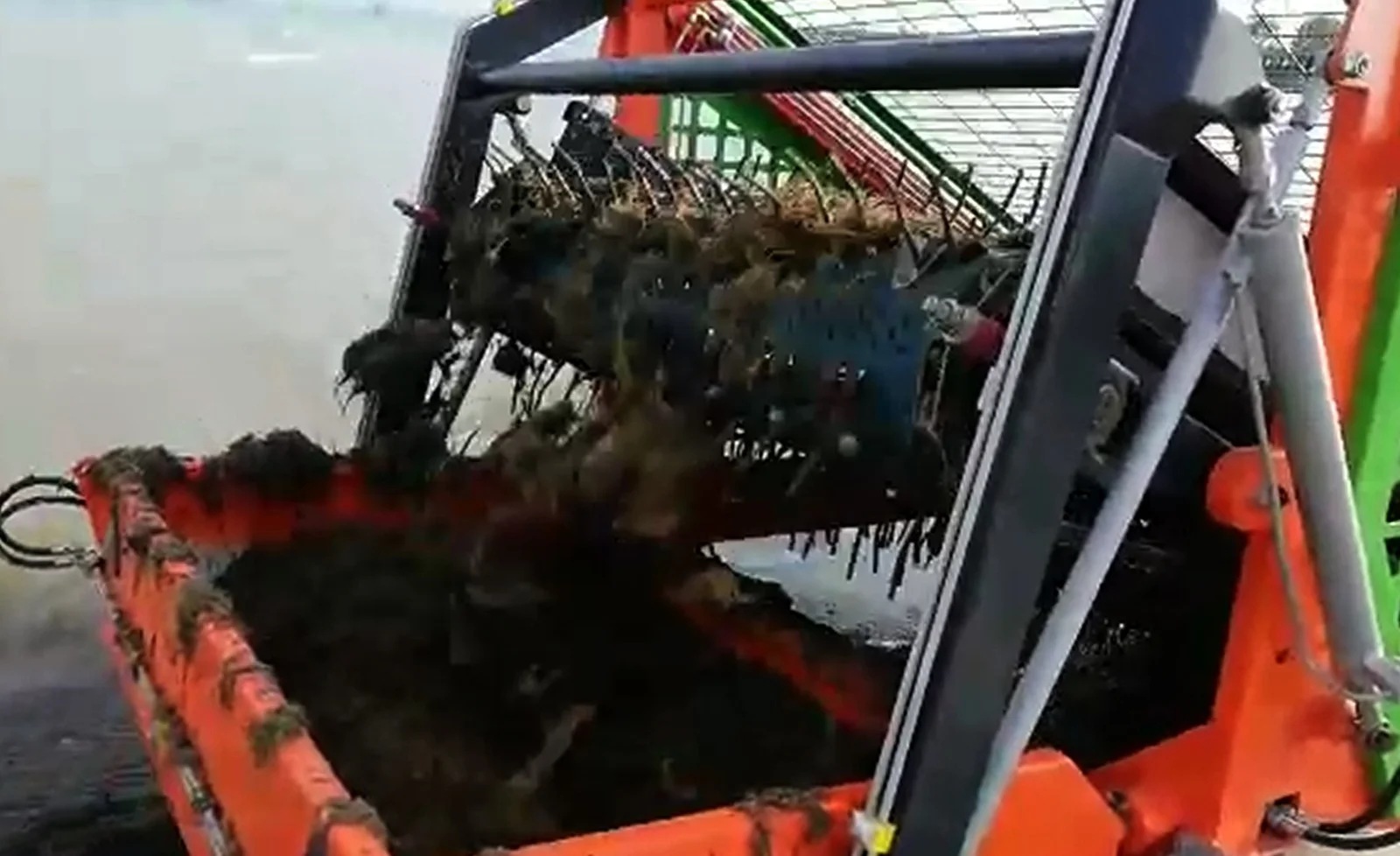
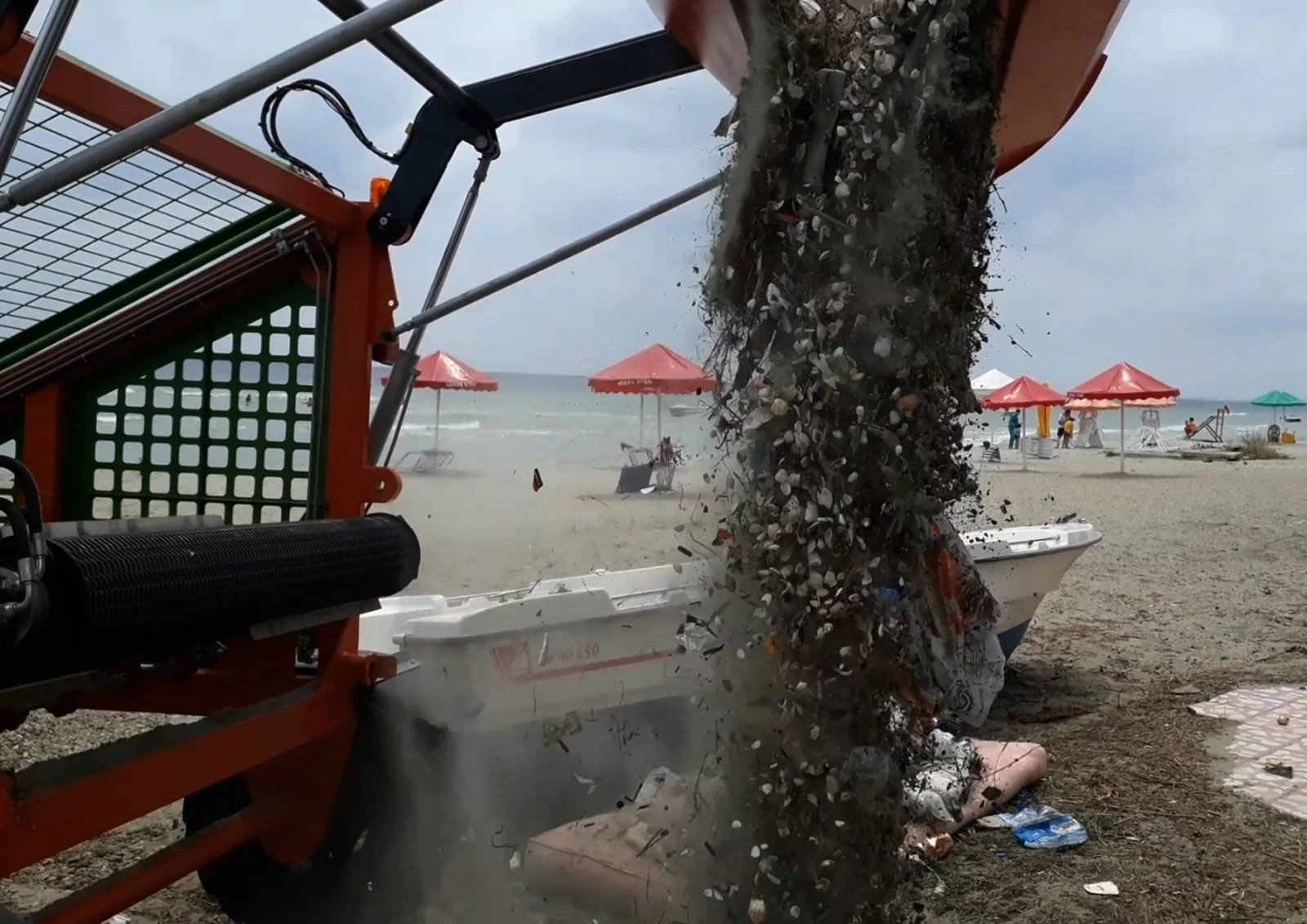
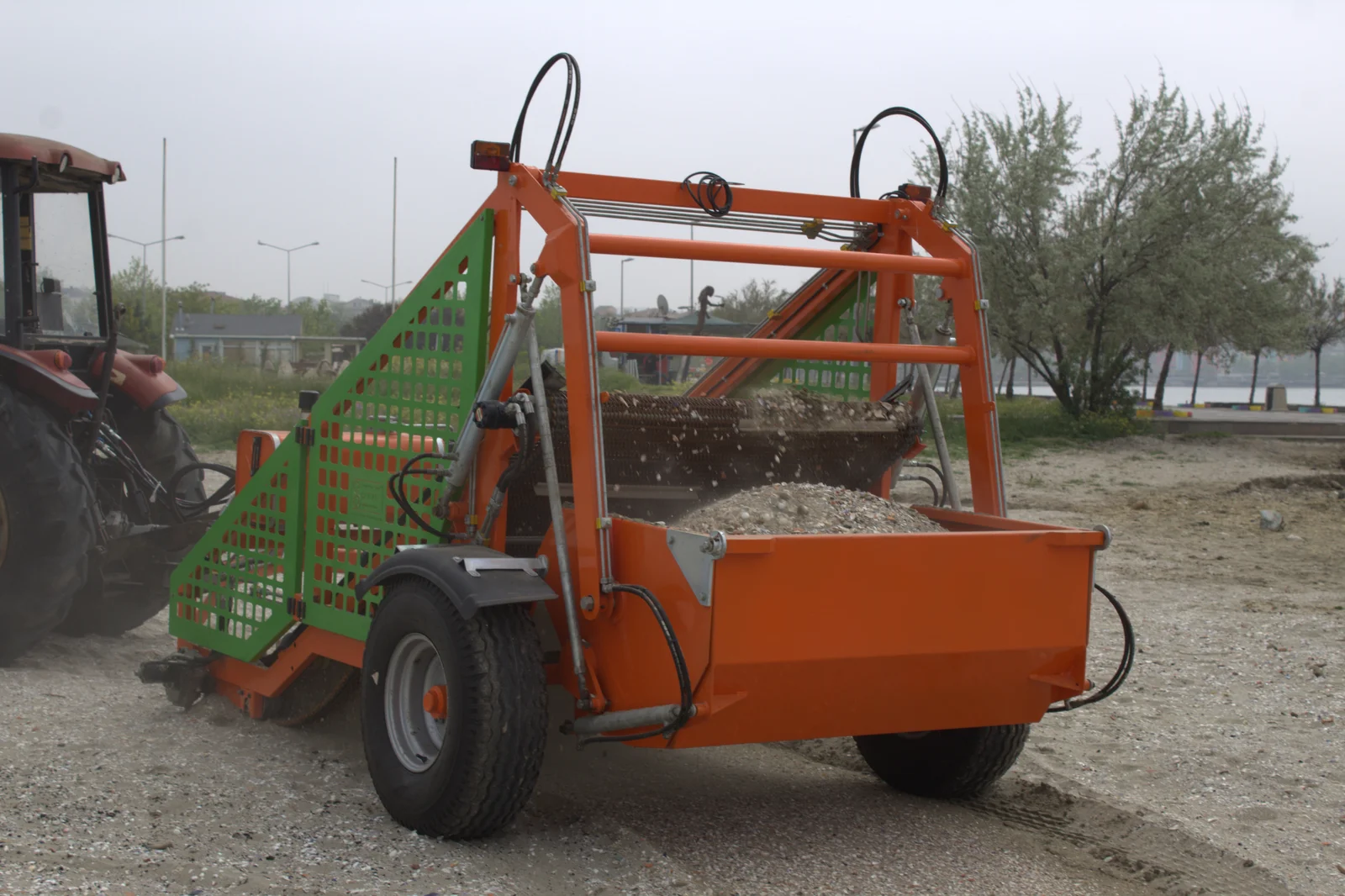
Sand cleaning machines lift sand from a set depth and pass it through a screen to separate debris. Depending on how the equipment works, it can collect solid waste of different sizes and return the screened sand to the surface.
Inspect the surface before cleaning. Sand grain size, the size of the debris and the degree of compaction all help determine the appropriate machine settings.
On large sites, planning the cleaning route in advance allows the area to be cleaned in sections. The machine needs to travel steadily over the sand and work at the right depth for the screening system to operate properly.
Which Areas Need Cleaning on Camel Farms?
The sandy areas that need cleaning depend on the camels’ daily movements and the layout of the farm. How each area is used also affects how the work should be organized.
Resting Areas. When camels lie down, much of their body comes into contact with the sand. Keep resting areas clear of manure, hard objects and other waste, and check the sand regularly in spots the animals use most often.
Feeding Areas. Spilled feed, straw and other plant matter can gradually mix with the sand around feeders. Removing accumulated organic material helps keep feeding areas clean.
Outdoor Exercise Areas. Sand surfaces in large areas where camels roam freely are more exposed to the elements. Windblown leaves, small branches and other debris can accumulate in different spots over time. Sand cleaning machines can remove this material from large surfaces where conditions allow them to operate.
Passageways and Holding Areas. When animals gather at shelter entrances, near gates or along common routes, they can compact the sand and leave the surface uneven. Assess the physical condition of the footing as part of cleaning these areas.
How Do Sand Characteristics and Climate Affect Cleaning?
Sand characteristics on camel farms vary with local conditions. Fine, dry sand can behave differently in cleaning machines than coarse or damp sand.
In arid regions, wind can shift surface sand and cause it to build up in certain spots, leaving an uneven depth across the area. When screening very fine sand, consider how much dust the work may generate.
In rainy areas, wet grains can clump together and make screening harder. Where puddles have formed or the surface is becoming muddy, it may be necessary to wait for suitable conditions before using a machine.
When planning the work, choose a sand cleaning machine suited to the slope of the surface, the characteristics of the sand and the size of the area.
How Often Should Sand Be Cleaned on Camel Farms?
Cleaning frequency depends on the number of animals, how long they spend in particular areas, feeding routines, the size of outdoor spaces and how quickly waste accumulates.
Checking resting and feeding areas daily helps identify heavy buildup early. In large areas used less often, schedule thorough machine cleaning based on what surface inspections reveal.
Seasonal changes may call for a revised cleaning schedule. Check for windblown debris after strong winds and assess sand moisture after rainfall.
Plan cleaning around feeding and resting times. Keeping camels in a safe area while machinery is operating helps the farm’s daily activities continue smoothly.
Explore Our Sand Cleaning Machines for Camel Farms
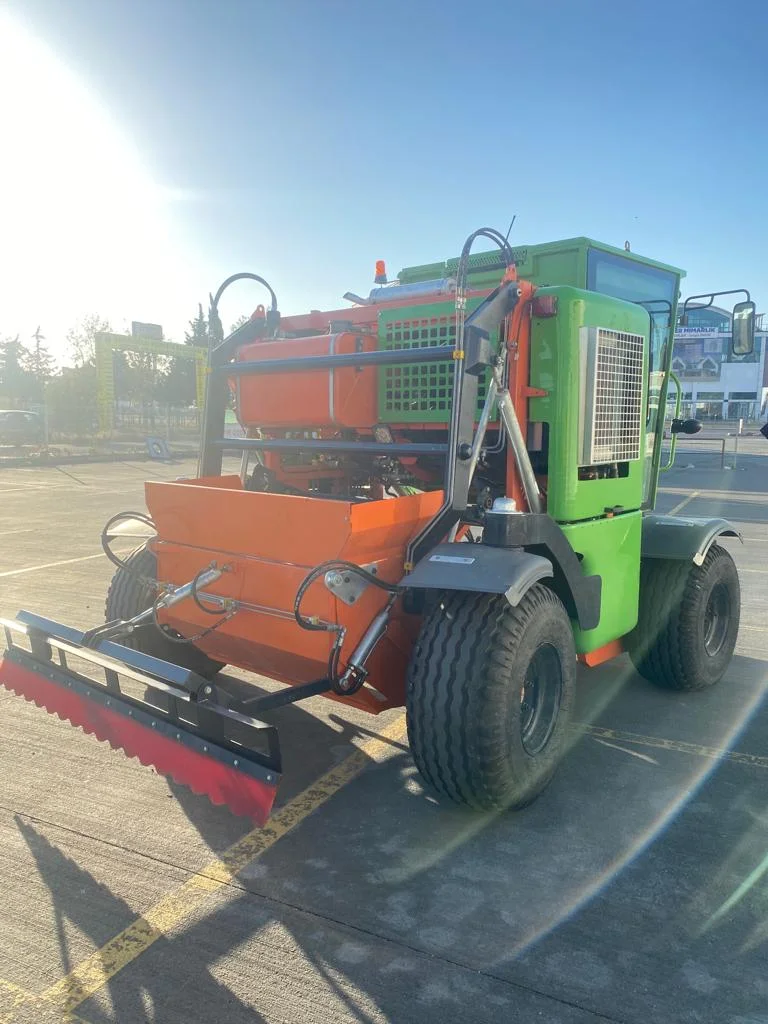
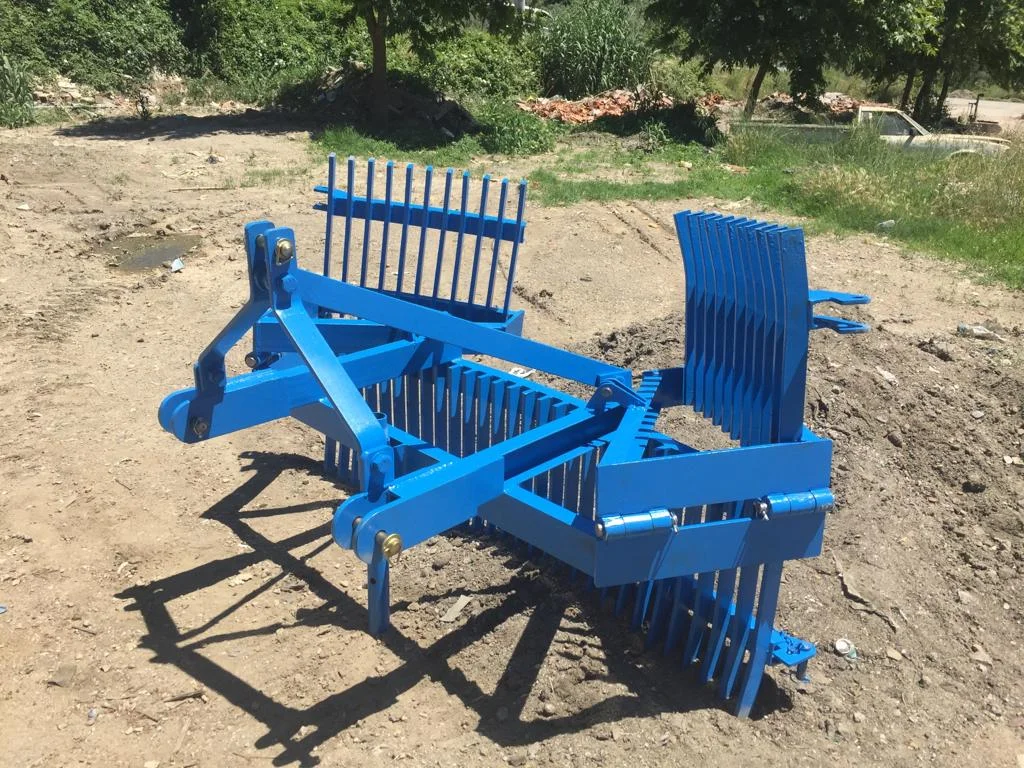
Batman Makine offers sand cleaning machines with different operating features to remove stones, leaves, manure and other solid debris from large sandy areas on camel farms. These machines screen out debris and return the cleaned sand to the surface, making routine maintenance easier. Options include tractor-towed sand cleaners, tracked models for different terrain conditions and self-propelled models that operate without a towing vehicle. Choosing a machine suited to the size of the area and the characteristics of the sand makes it easier to remove unwanted material and clean the surface effectively.












Our Documents
You can review our certificates, documents of conformity, trademark registrations, and patents, which support our quality, safety, and production standards.