
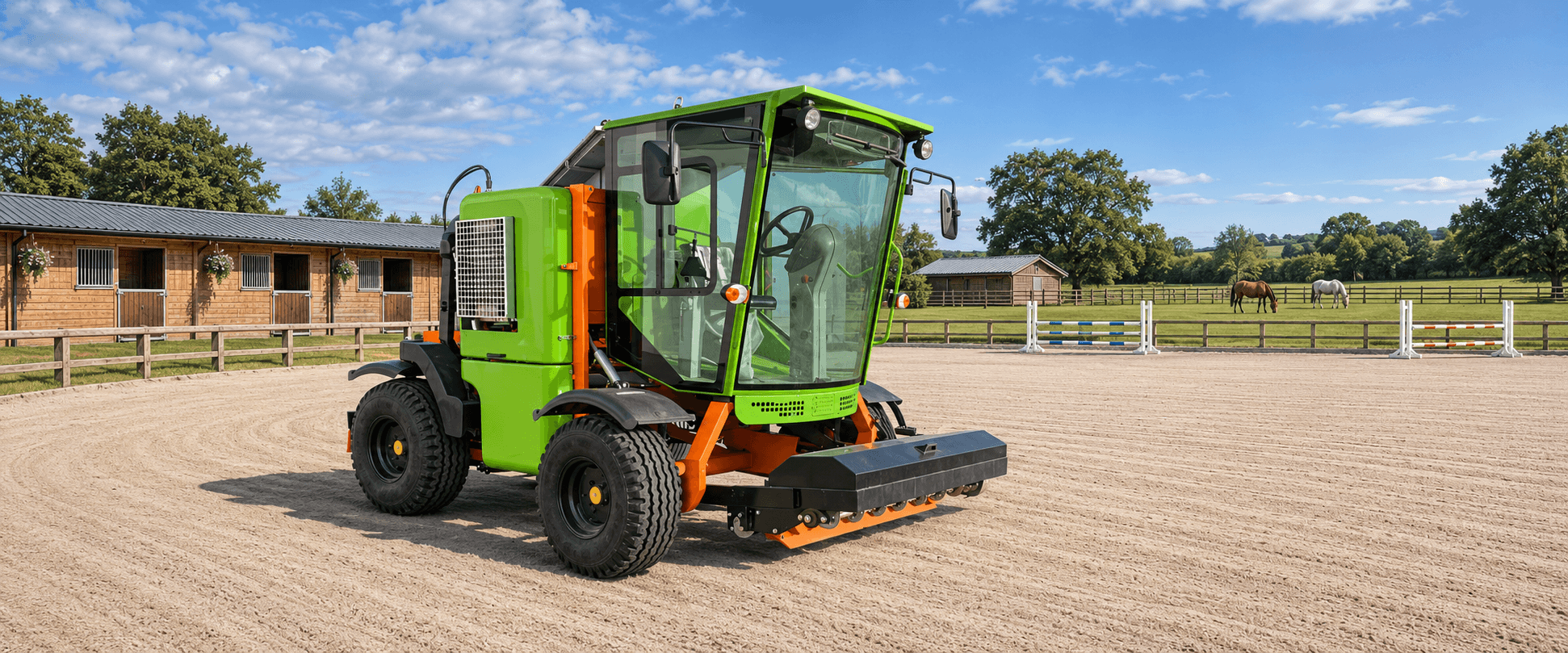
Riding arenas at equestrian facilities are designed for horse schooling, riding lessons and a range of training activities. Depending on the activities they host, these arenas can use different types of sand and other footing materials. Footing systems for indoor and outdoor arenas are selected based on the facility’s intended use, local climate and the horses’ movement needs.
Sand cleaning is part of maintaining this specialized footing. When planning the work, consider the size of the arena, the properties of the footing material and the facility’s daily schedule. Sand cleaning machines can help remove accumulated debris, particularly in large arenas.
Why Is Arena Sand Cleaning Important at Equestrian Facilities?
Horses walk, trot, gallop and perform a variety of movements on arena footing. The forces they exert on the surface vary with each movement. Stones, hard objects and other debris in the sand can affect how horses move and how their hooves meet the surface.
Manure and other organic matter from riding activities can also mix with the sand over time. At busy facilities, this buildup can soil the surface and produce unpleasant odors. In indoor arenas, organic waste left on the footing for extended periods also warrants attention when assessing hygiene.
Clean footing helps make training areas safer and easier to use. Removing unwanted material from the sand also helps preserve the properties of the specially prepared footing.
Metal tools, horseshoe nails and other debris in the sand can injure horses, so it is important to remove them regularly.
How Is Arena Sand Cleaned at Equestrian Facilities?
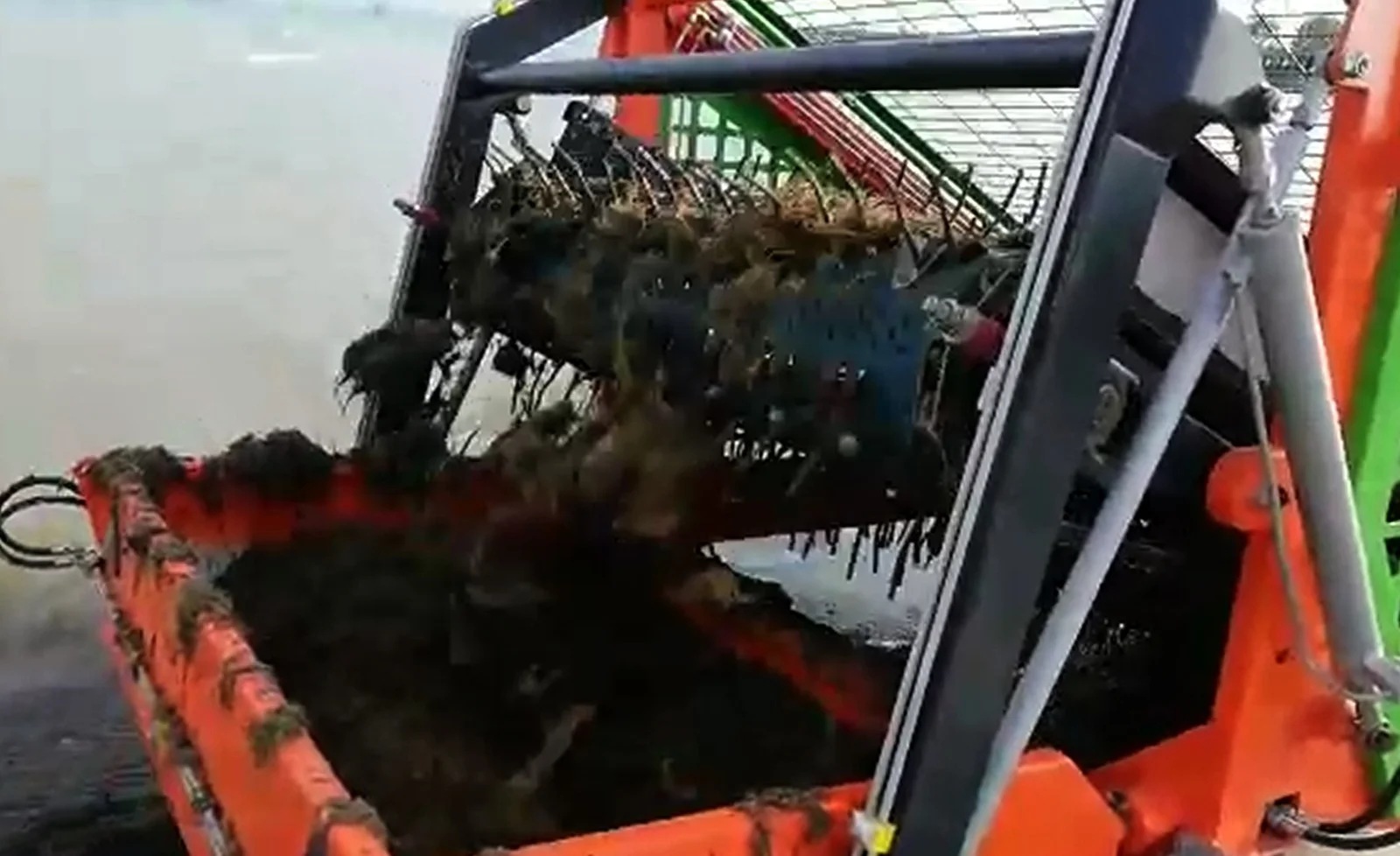
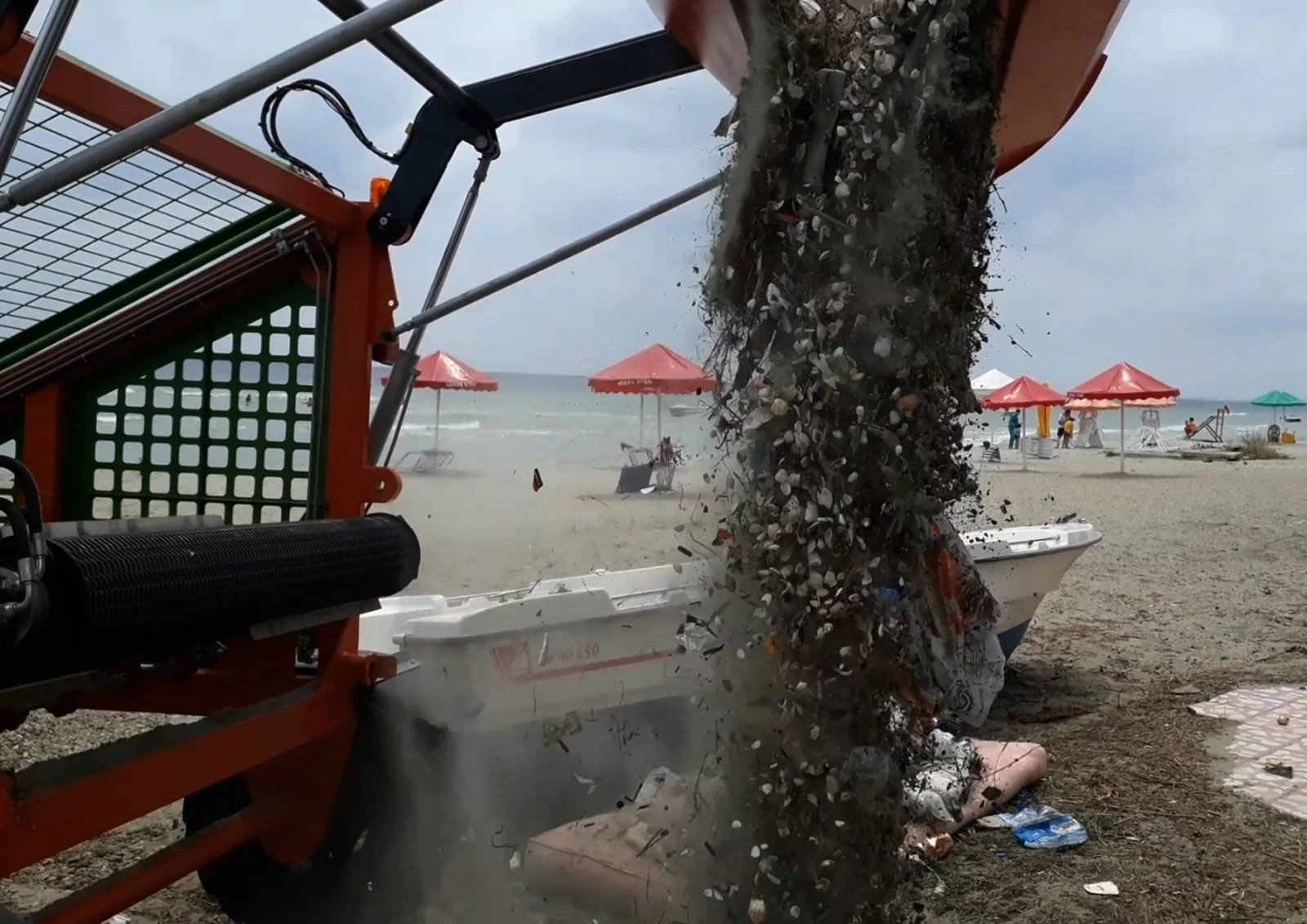
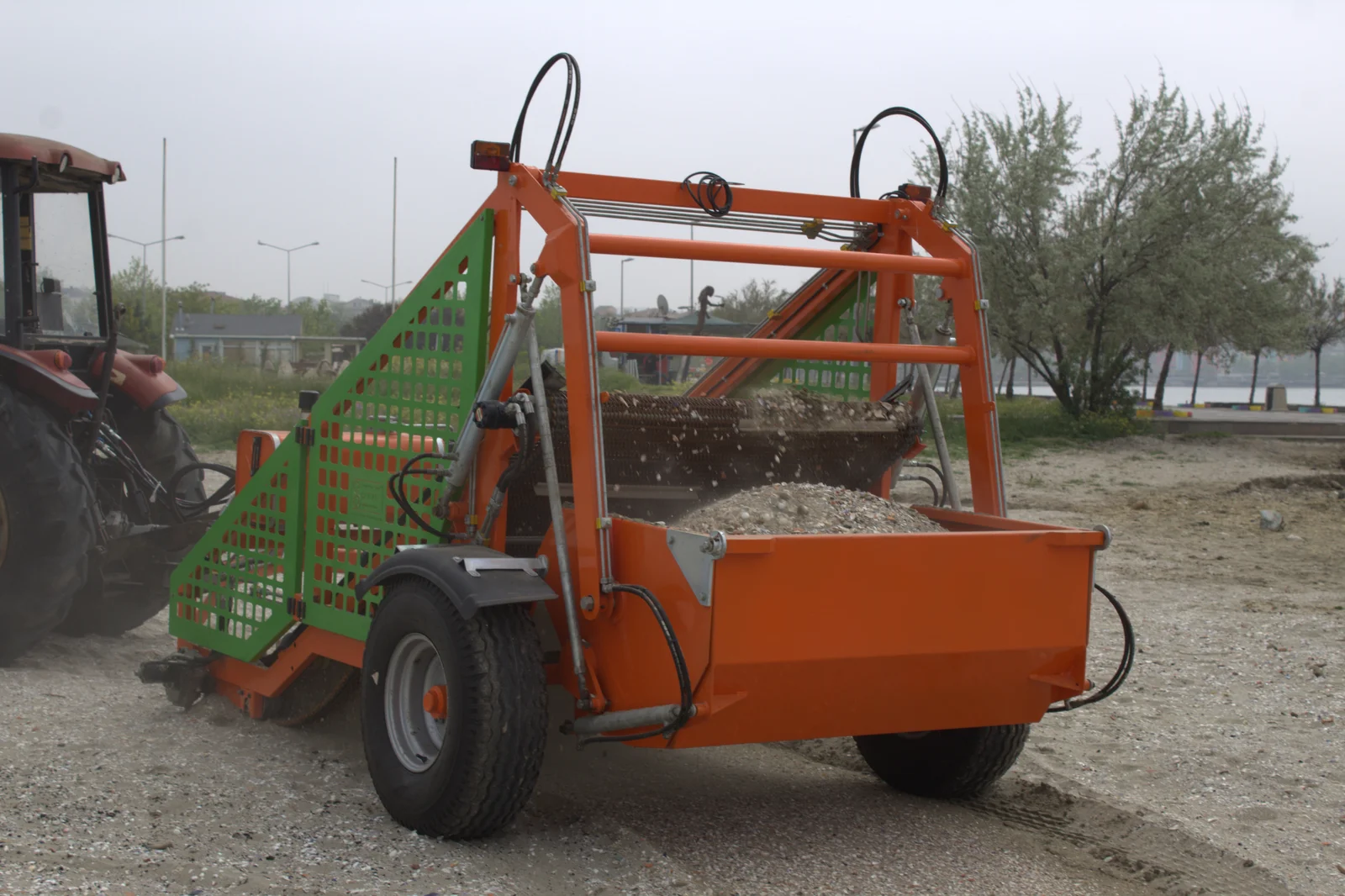
Arena sand cleaning involves separating debris from the upper layers of the footing. Sand cleaning machines use screens to separate solid waste of certain sizes from the sand.
Depending on the machine’s design, it lifts sand from a set depth and passes it through a screen. Stones, leaves and other solids are transferred to a collection hopper, and the screened sand is returned to the surface.
The properties of the arena sand help determine the appropriate cleaning method. Some riding facilities use sand alone, while others mix it with fibers or other additives. On these specialized surfaces, the equipment must be compatible with the footing mix.
After cleaning, the sand depth can be checked at different points around the arena. Any areas that need grading or leveling can be addressed separately to assess whether the footing is ready for training.
Sand Cleaning in Indoor and Outdoor Riding Arenas
Indoor and outdoor arenas are exposed to different environmental conditions, so their cleaning requirements vary.
Cleaning Indoor Arena Sand. Indoor arenas are sheltered from direct rain and wind. Limited airflow, however, can cause dust from the sand surface to linger. Consider dust and ventilation when operating machinery. Also check that the equipment can fit through the entrances and that there is sufficient ceiling clearance and room to maneuver.
Cleaning Outdoor Arena Sand. Outdoor arenas are directly exposed to the weather. Windblown leaves, small branches and other debris can collect on the sand. After rain, puddles and compacted sand can develop in some areas. Plan cleaning around the weather and the current condition of the footing.
In both types of arena, choose equipment that suits the dimensions of the area and the characteristics of the footing.
What Should You Consider When Cleaning Arena Sand?
Arena footing is designed with specific properties to support the horses’ movements. Cleaning should remove waste while preserving the existing footing system.
Start by checking the sand grain size and the depth of the footing layer. Running the machine too deep can damage the lower layers or base of the arena. This is especially important where a drainage system is installed.
In arenas with fiber additives or other specialized mixes, screening should retain the components of the footing while separating the waste. Choose a machine whose screening mechanism is suited to the sand mix.
Keep horses and riders out of the work area so the equipment can move safely. Before starting, check fences, jumps, watering systems and other equipment in the arena.
How Often Should Arena Sand Be Cleaned?
Set the maintenance schedule based on how many hours the arena is used each day and how intensive the activities are. Inspect the footing regularly, especially in schooling arenas used by several horses throughout the day.
Checking the footing after riding lessons and training sessions helps determine when cleaning is needed. Remove any accumulated manure and other waste promptly.
Schedule thorough machine cleaning based on the amount of debris in the footing and the facility’s maintenance calendar. Arenas used daily may have different needs from training areas used only at certain times of the year.
Inspect the footing before equestrian competitions, training camps and special events. If cleaning is needed, schedule it around the event program
Explore Our Sand Cleaning Machines for Equestrian Facilities and Riding Arenas
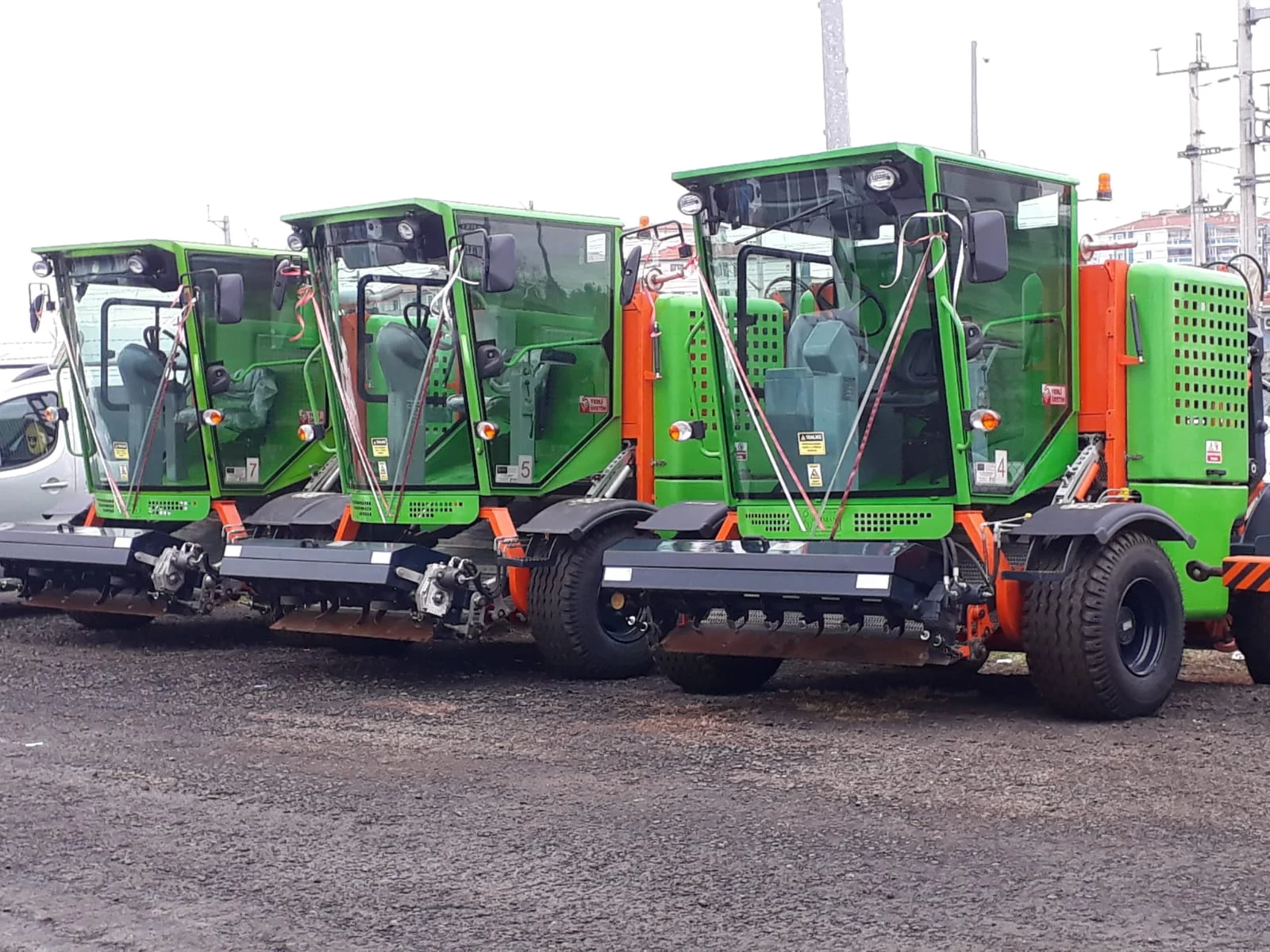
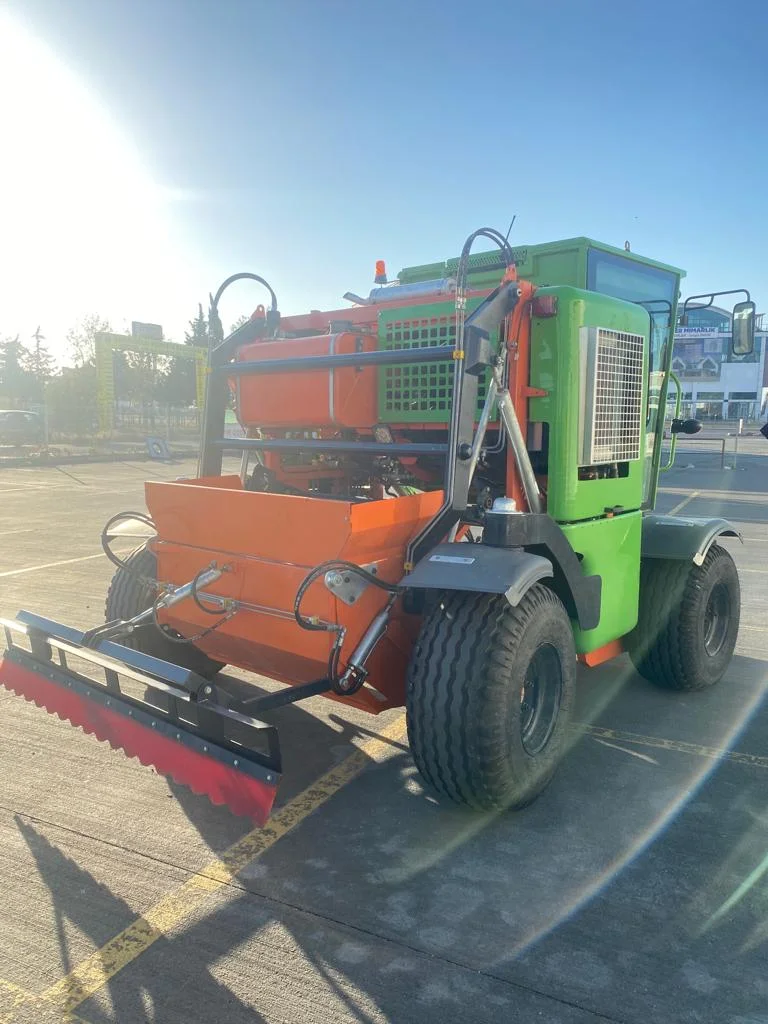
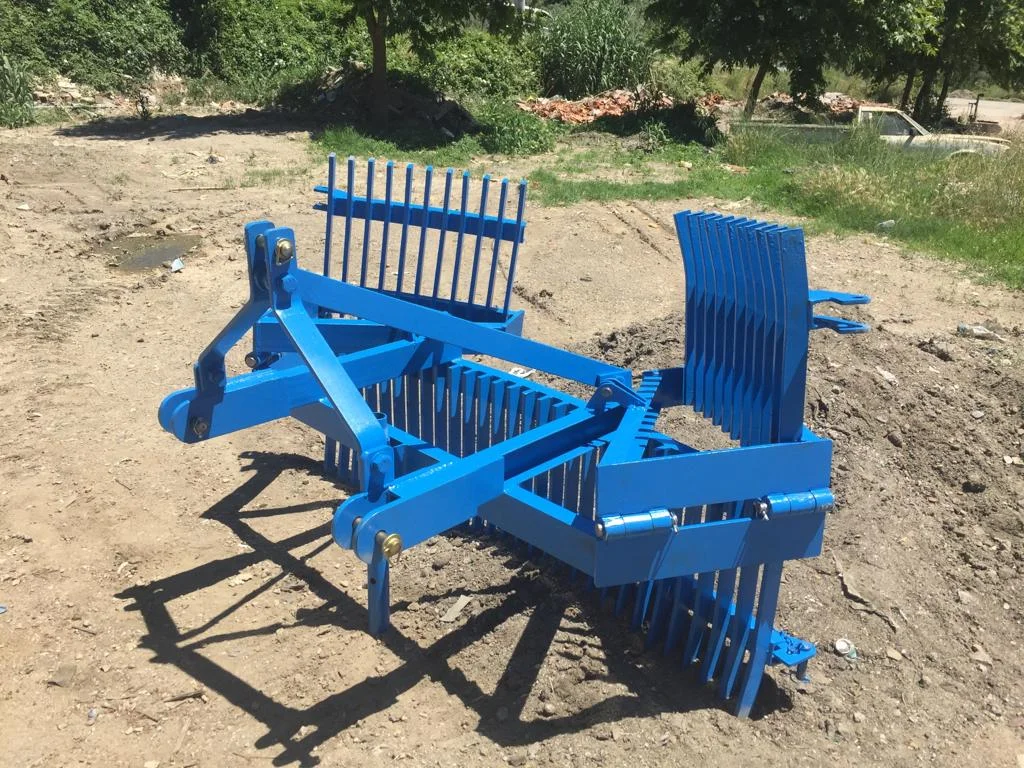
Batman Makine’s sand cleaning machines make it easier to remove stones, leaves and other solid debris from suitable sand arenas. The machines screen out unwanted material and return the cleaned sand to the surface so the existing sand can continue to be used. Depending on the areas you need to maintain, you can explore tractor-towed and tracked sand cleaners, as well as self-propelled models that operate without a separate towing vehicle. Choose a Batman Makine model suited to the arena’s size, footing and maintenance needs to make cleaning more practical and effective.












Our Documents
You can review our certificates, documents of conformity, trademark registrations, and patents, which support our quality, safety, and production standards.