
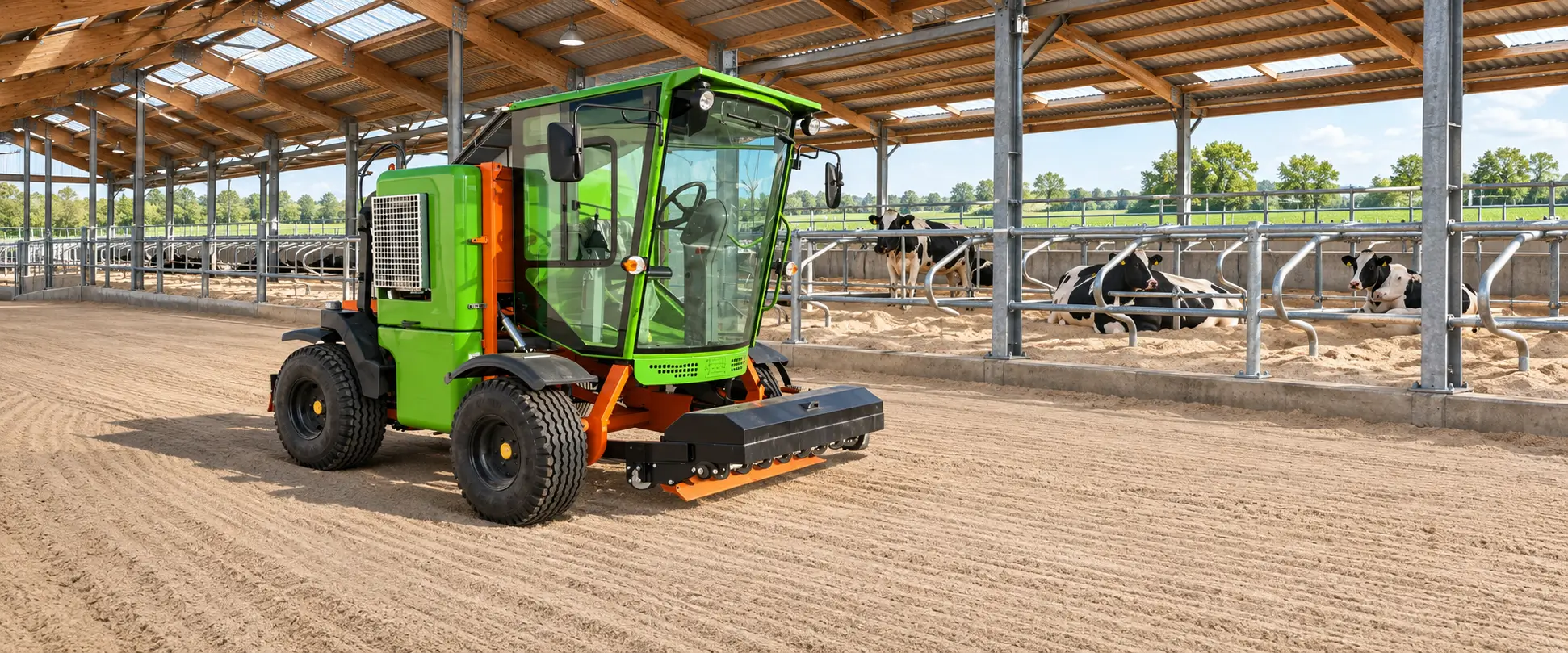
Bedding systems are an important part of designing cattle housing and providing suitable resting areas. Sand bedding, commonly used on dairy farms, provides a surface that allows cows to lie down and get up comfortably. The physical properties of the sand, the design of the bedding areas and how heavily they are used all affect maintenance needs.
Cleaning sand bedding involves removing accumulated waste and keeping the bedding surface suitable for use. Sand cleaning machines can help farms carry out this work more consistently and efficiently in areas accessible to equipment.
Why Is Sand Bedding Cleaning Important on Dairy Farms?
Cows spend much of the day in direct contact with sand bedding. Manure, urine and other organic waste can build up on the surface and compromise hygiene. Damp, soiled bedding can create conditions in which microorganisms multiply.
Bedding hygiene also matters for udder health in dairy cows. Prolonged contact with soiled surfaces can increase exposure to microorganisms in the environment. Regular sand cleaning helps control contamination and provides cleaner resting areas.
Waste buildup can also change the physical properties of the bedding over time. Compacted, unevenly distributed or excessively damp sand can affect cows’ comfort at rest. Regular cleaning helps keep the bedding in good condition and makes better use of the existing sand.
Metal tools, horseshoe nails and other debris in the sand can injure cows, so it is important to remove them regularly.
How Is Sand Bedding Cleaned on Dairy Farms?
Cleaning sand bedding involves separating manure, organic matter and other debris from the sand. Choose a cleaning method based on the design of the bedding system, sand grain size, moisture content and how thoroughly the waste has mixed into the sand.
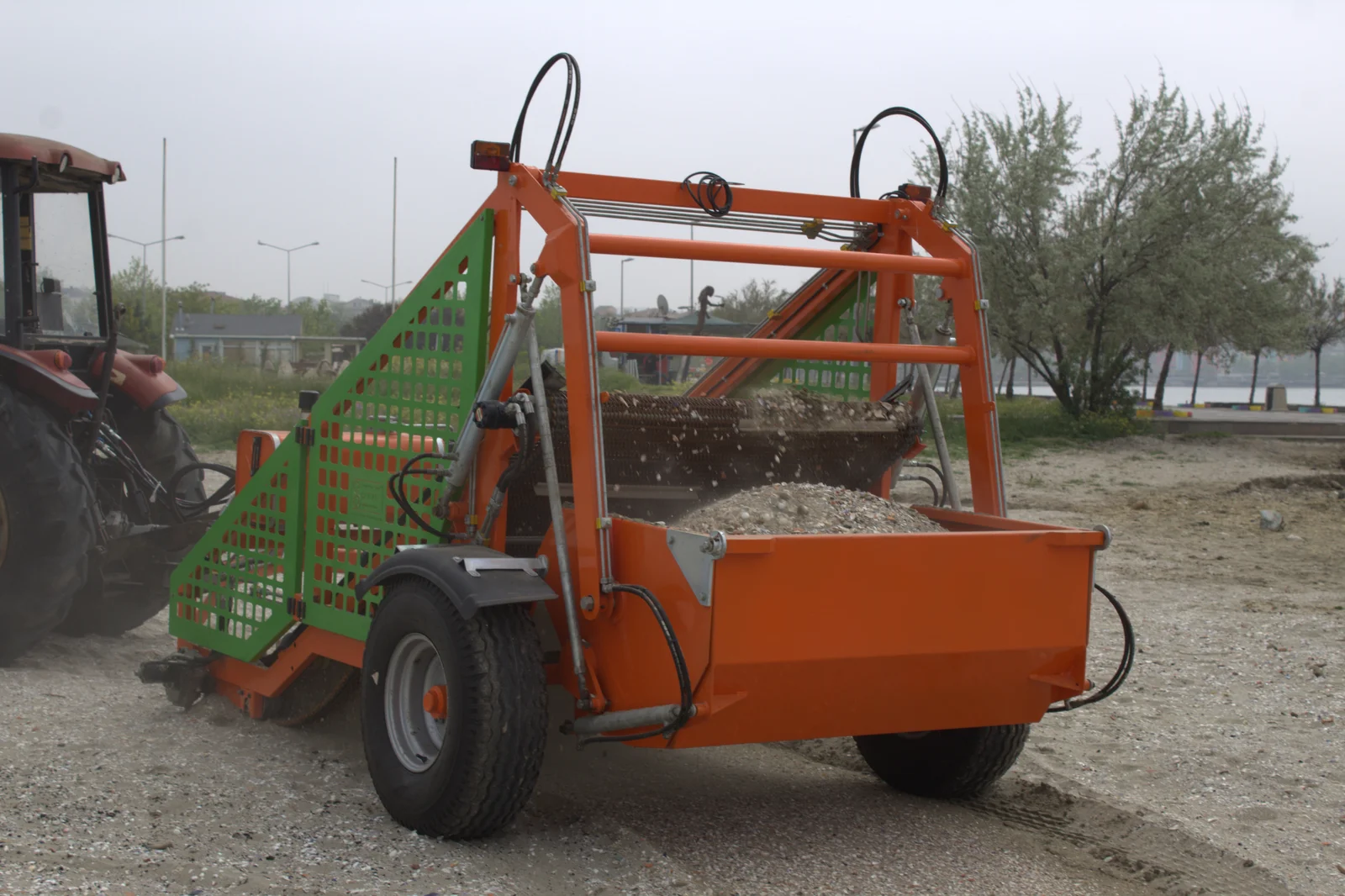
Sand cleaning machines can use suitable screening and separation systems to remove debris. The aim is to collect waste separately and return the screened sand to the bedding surface.
Where sand is heavily contaminated with manure and urine, removing solid waste alone may be insufficient. Consider the hygiene and moisture levels of the screened sand when assessing whether it can be reused.
After cleaning, inspect the bedding surface to check the sand level and distribution. Top up or level the sand as needed.
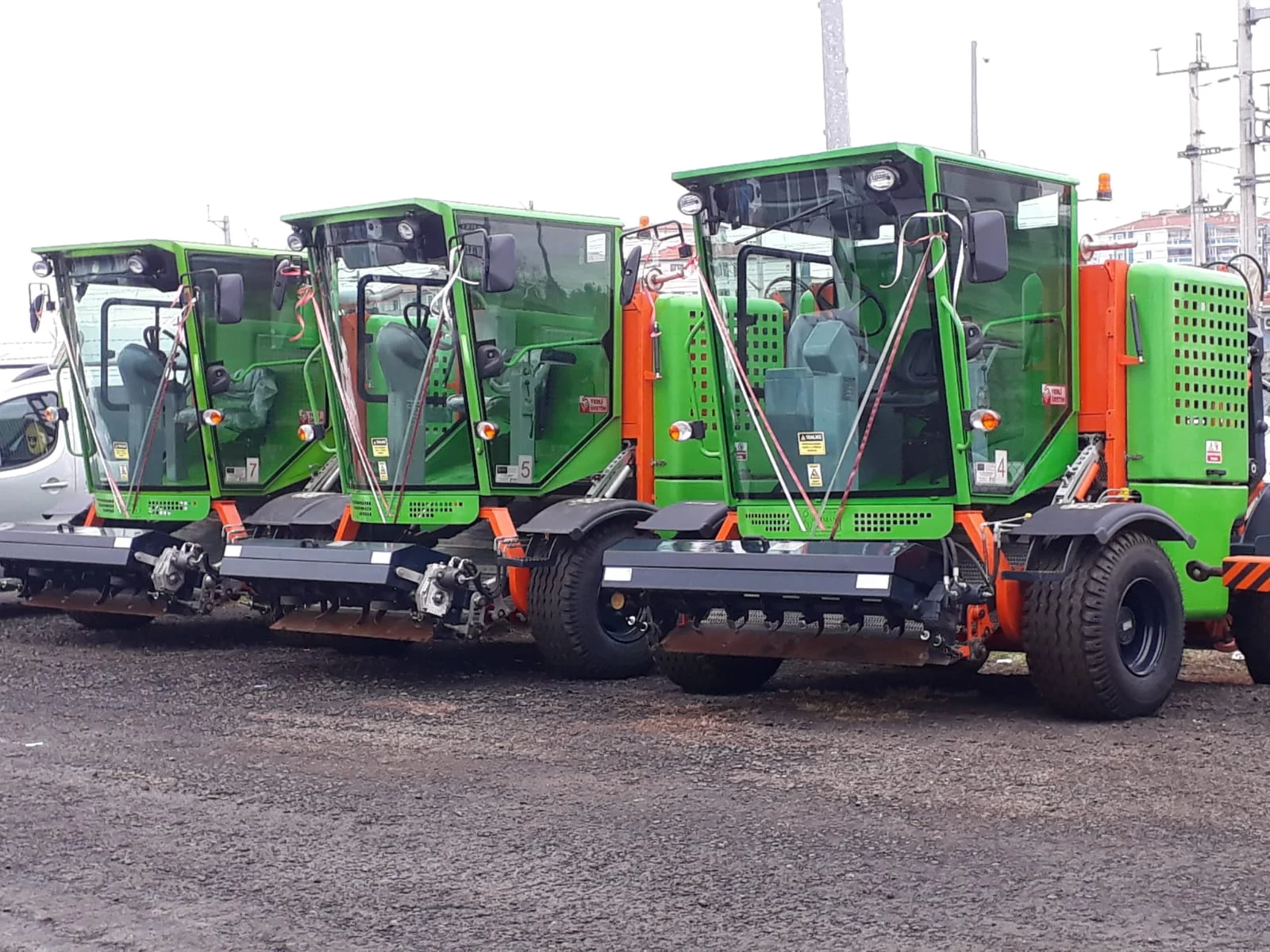
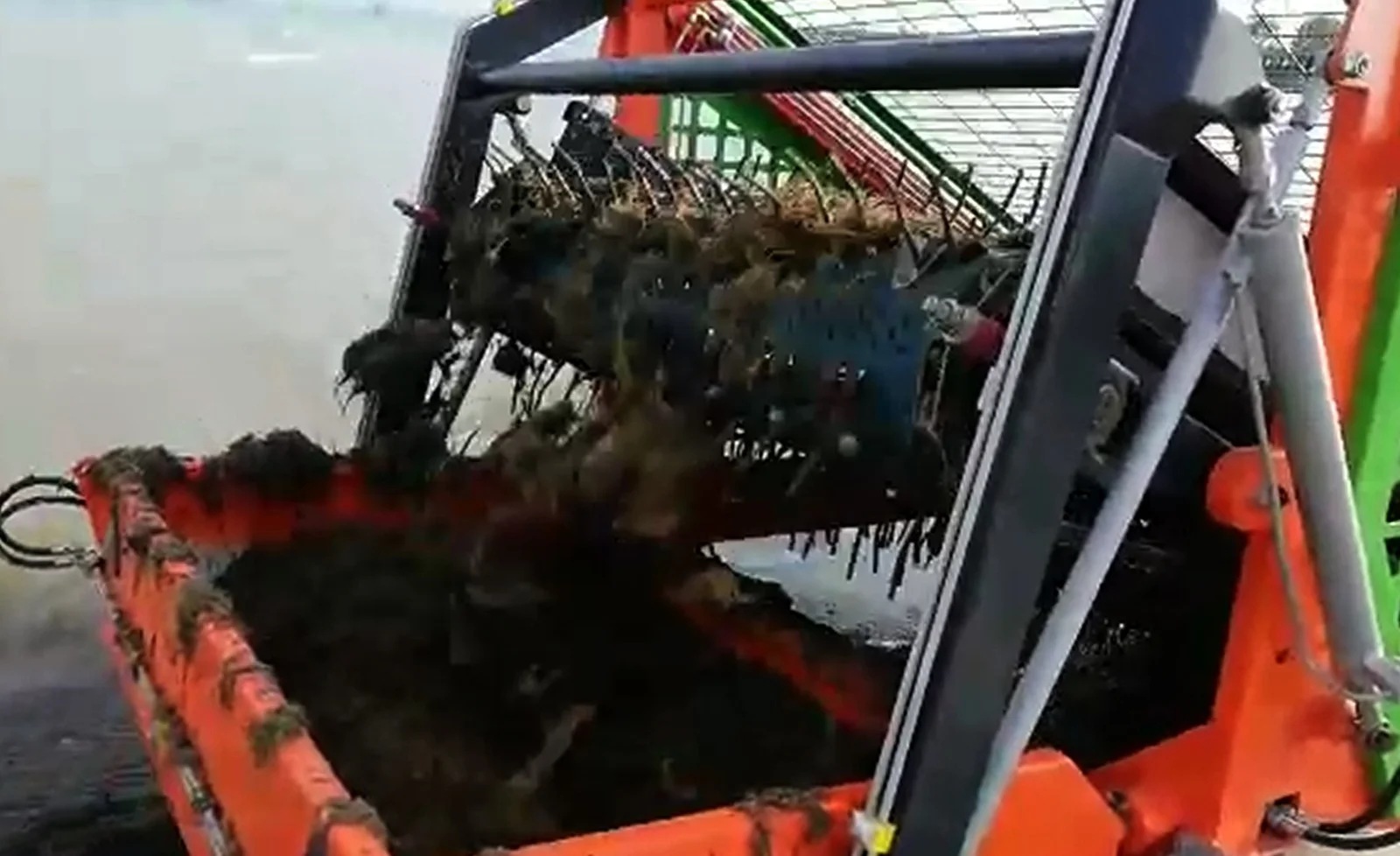
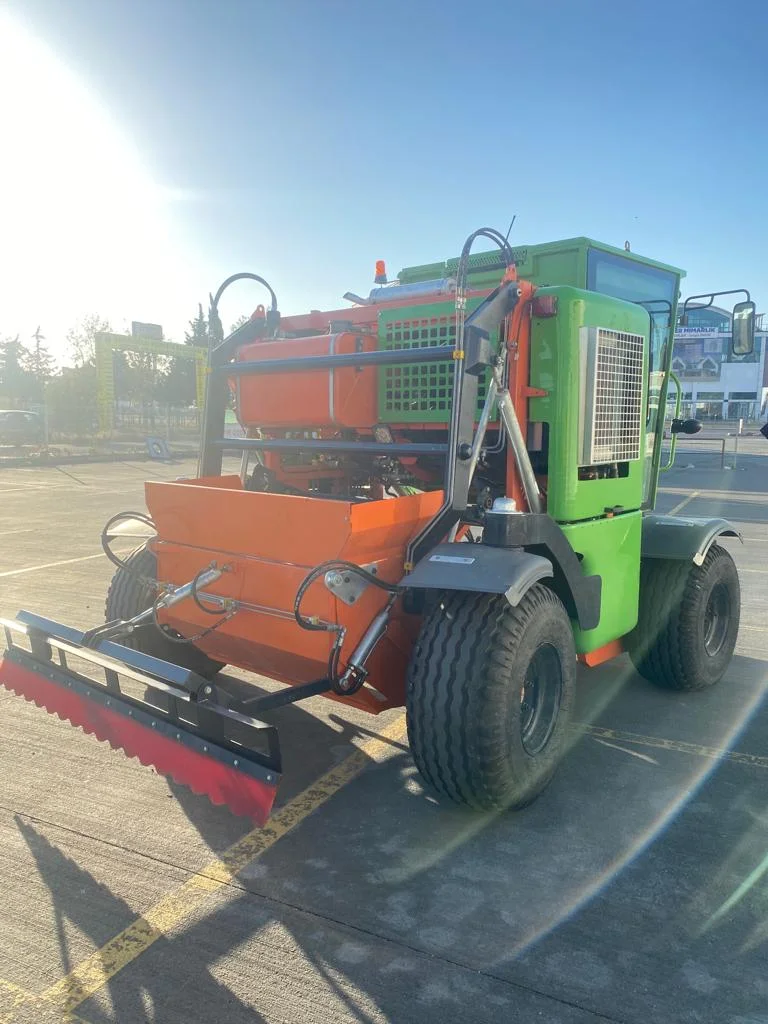


Cleaning Individual Stalls and Shared Sand Bedding Areas
Sand bedding systems vary with the layout of the barn. Individual stalls and shared resting areas have different cleaning needs.
In individual stalls, cows lie down and get up in the same places, which can shift more sand in certain spots. Manure can accumulate and sand can be lost, particularly at the rear of the stall. Maintain the depth and evenness of the bedding when cleaning these areas.
In shared sand bedding areas, cows use a larger surface, so soiling can occur in several places. Plan cleaning around the number of animals using the space and where soiling occurs.
When considering sand cleaning machines, assess the size of the areas, the access routes and the room available for the equipment to maneuver. Narrow individual stalls may limit which machines can be used.
What Should You Consider for Effective Sand Bedding Cleaning?
Choose equipment suited to the properties of the sand and the layout and conditions of the barn. Sand grain size and moisture content can affect screening and separation performance.
Debris can be harder to separate from heavily soaked or compacted sand. Assess the condition of the surface before cleaning and consider how the machine operates.
Maintain the sand level when cleaning bedding areas. As cows lie down and get up, they can displace sand within the bedding area or push it out entirely. In these cases, the lost sand may need to be replaced as part of maintenance.
Barn drainage and liquid waste management are also important to sand bedding maintenance. Controlling the conditions that make bedding excessively damp helps cleaning work more effectively.
How Often Should Sand Bedding Be Cleaned on Dairy Farms?
Cleaning frequency depends on the number of cows, the bedding system, how heavily it is used and how soiled it gets. Set a maintenance schedule based on the needs of each farm.
Check for manure buildup and surface soiling daily, especially in bedding areas used by dairy cows. Cleaning soiled areas regularly can help keep waste from mixing into deeper layers of sand.
Plan more thorough cleaning based on the overall condition of the bedding and the capabilities of the equipment. During damp periods, consider how readily the sand dries and whether liquid waste is accumulating when deciding how often to carry out maintenance.
Explore Our Sand Bedding Cleaning Machines for Dairy Farms
Batman Makine’s sand cleaning machines offer a practical and effective way to clean suitable sand bedding areas on dairy farms. They separate stones, leaves and other solid debris from the sand and return the screened sand to the surface, helping farms make better use of their existing sand. Explore tractor-towed and tracked models for different area sizes and operating needs, along with self-propelled options that work without a towing vehicle. Choose a Batman Makine model suited to your farm’s surfaces and work areas to make debris removal easier.












Our Documents
You can review our certificates, documents of conformity, trademark registrations, and patents, which support our quality, safety, and production standards.