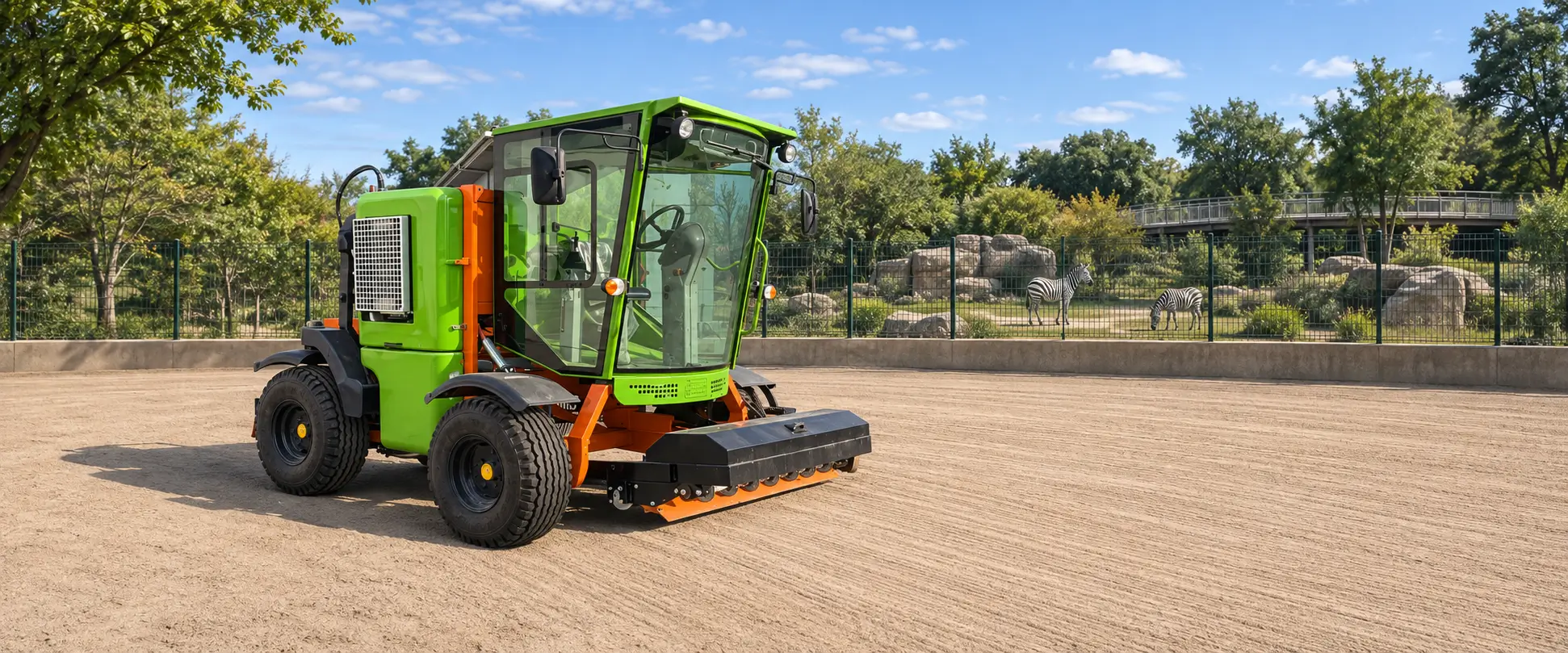
Zoos have shelters, outdoor roaming areas and naturalistic habitats designed for different species. Some of these areas use sand to create environments where animals can express natural behaviors. Depending on the animals’ needs, sandy surfaces can be used for resting, moving around, digging and playing.
Sand cleaning is an important part of maintaining these varied surfaces. When planning the work, consider how the area is used, the properties of the sand and the needs of the animals that live there. Sand cleaning machines can help crews work with greater control, especially across large sandy areas.
Why Is Sand Cleaning Important in Zoos?
Sandy areas in zoos can become dirty over time through daily animal activity and exposure to the elements. Droppings, leftover feed, fallen leaves and debris carried in from outside can accumulate in the sand and alter surface conditions. Leaving this waste in place for extended periods can lead to hygiene problems.
Limiting contact with soiled surfaces is especially important where animals rest or feed. Accumulated organic waste can produce unpleasant odors and create conditions in which some microorganisms multiply. Sand cleaning is therefore an important part of routine zoo hygiene and maintenance.
Stones, glass, plastic and similar objects in the sand can also pose a risk to animals. Removing them helps keep the surfaces where animals move safer.
Metal tools, horseshoe nails and other debris in the sand can injure animals, so it is important to remove them regularly.
Which Sandy Areas in Zoos Need Cleaning?
Sand surfaces in zoos are found in animal habitats, visitor areas and landscaped spaces. Assess each area’s cleaning needs based on how it is used.
Animal habitats and resting areas. As animals move across sandy habitats, they can create hollows, mounds and tracks of varying depths. Droppings and other organic matter can also build up in frequently used spots. Maintain these areas in a way that preserves the features of the habitat and allows the species to continue its natural behaviors.
Outdoor roaming areas and exhibits. Large outdoor areas are directly exposed to wind and rain. Leaves, branches and other debris from surrounding vegetation can accumulate on sandy surfaces. In areas suitable for machine operation, this material can be separated from the sand.
Visitor areas. Sandy paths, rest areas and children’s activity areas that use sand may also need cleaning. Check for packaging fragments, plastic waste and other debris. Follow appropriate hygiene practices wherever children come into contact with sand.
Landscaped areas. Plant waste and other debris can accumulate in sandy landscaping designed to give zoo grounds a natural appearance. Take care to protect existing plants and preserve the layout while carrying out maintenance.
How Are Sandy Areas Cleaned in Zoos?
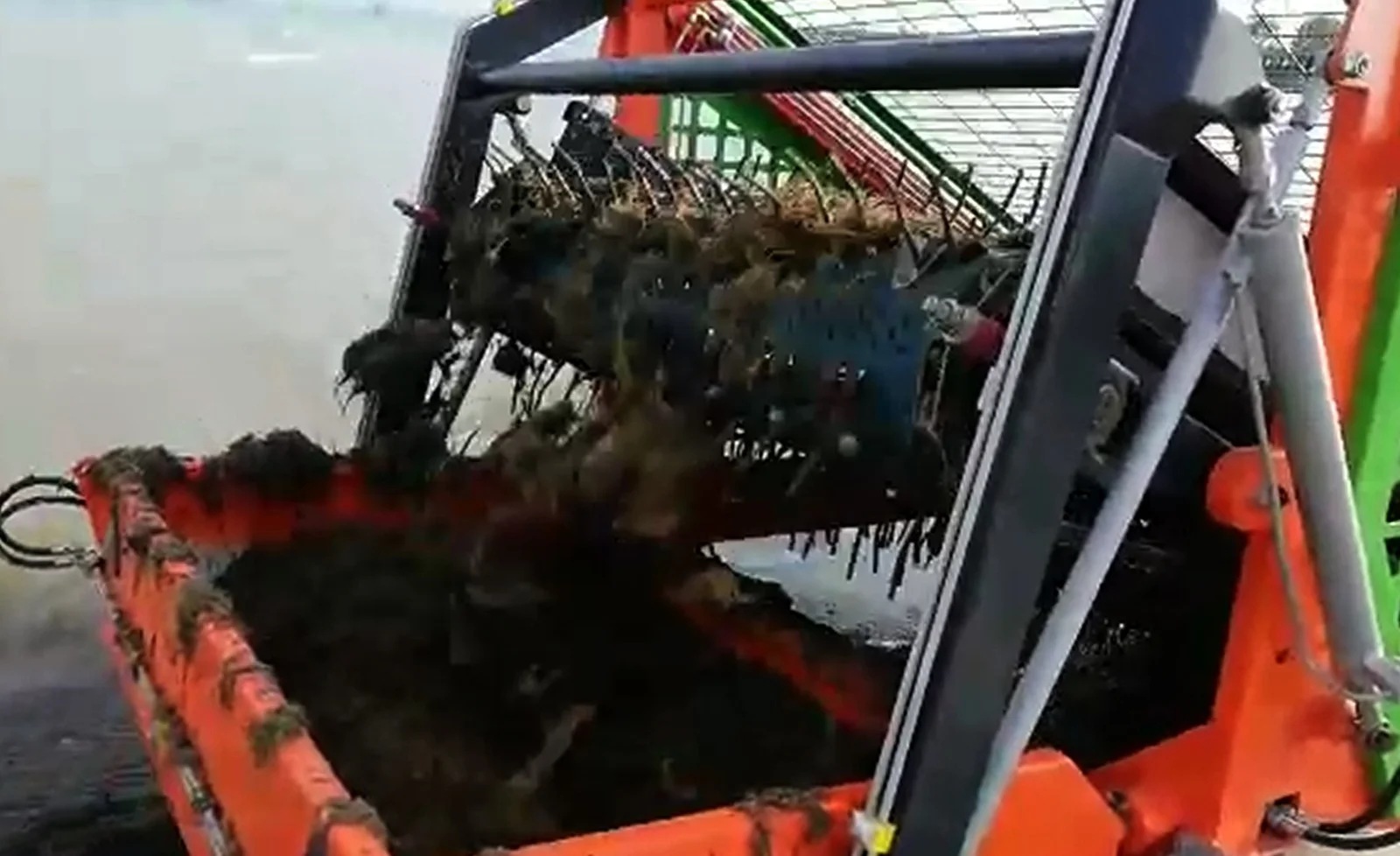
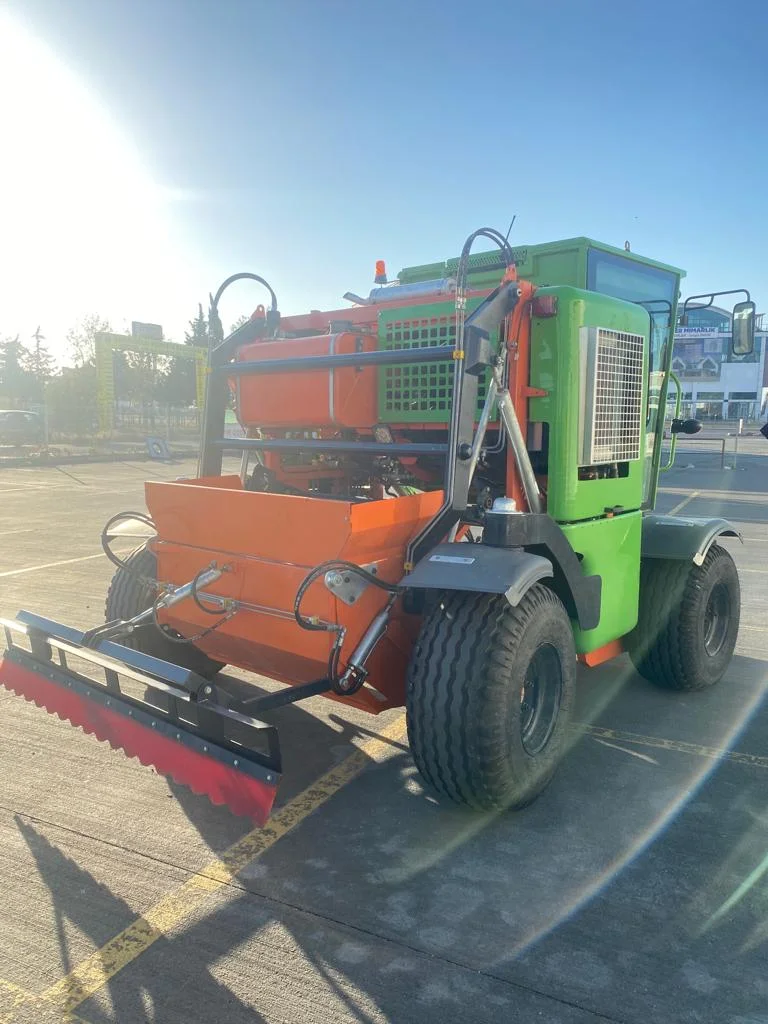
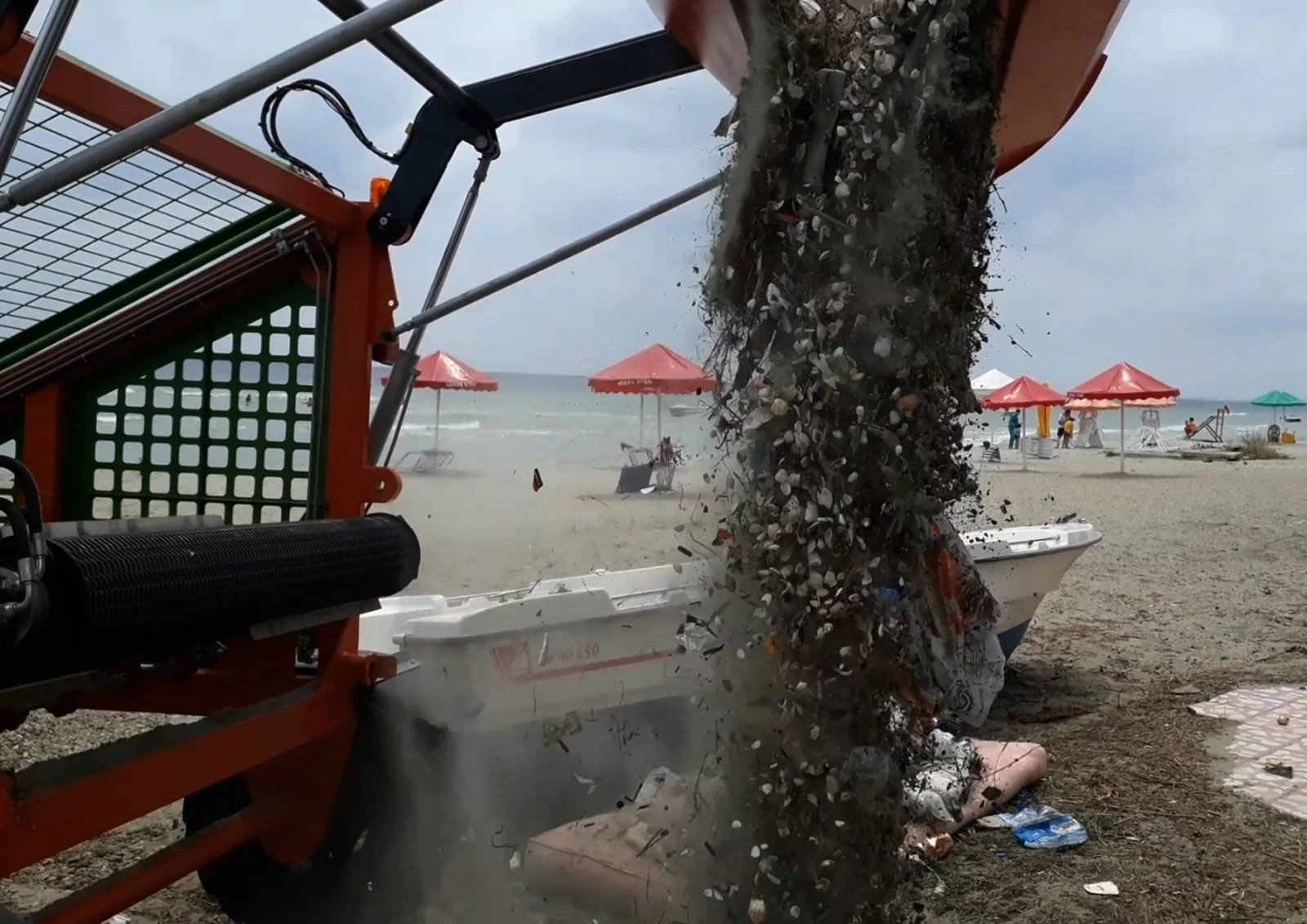
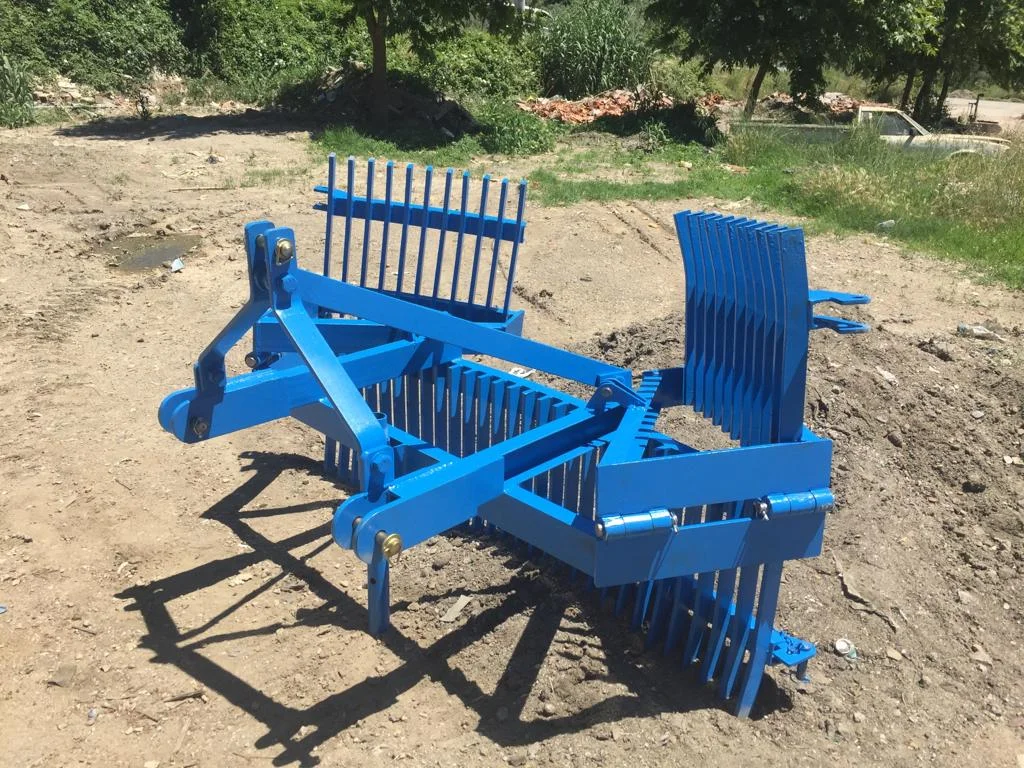
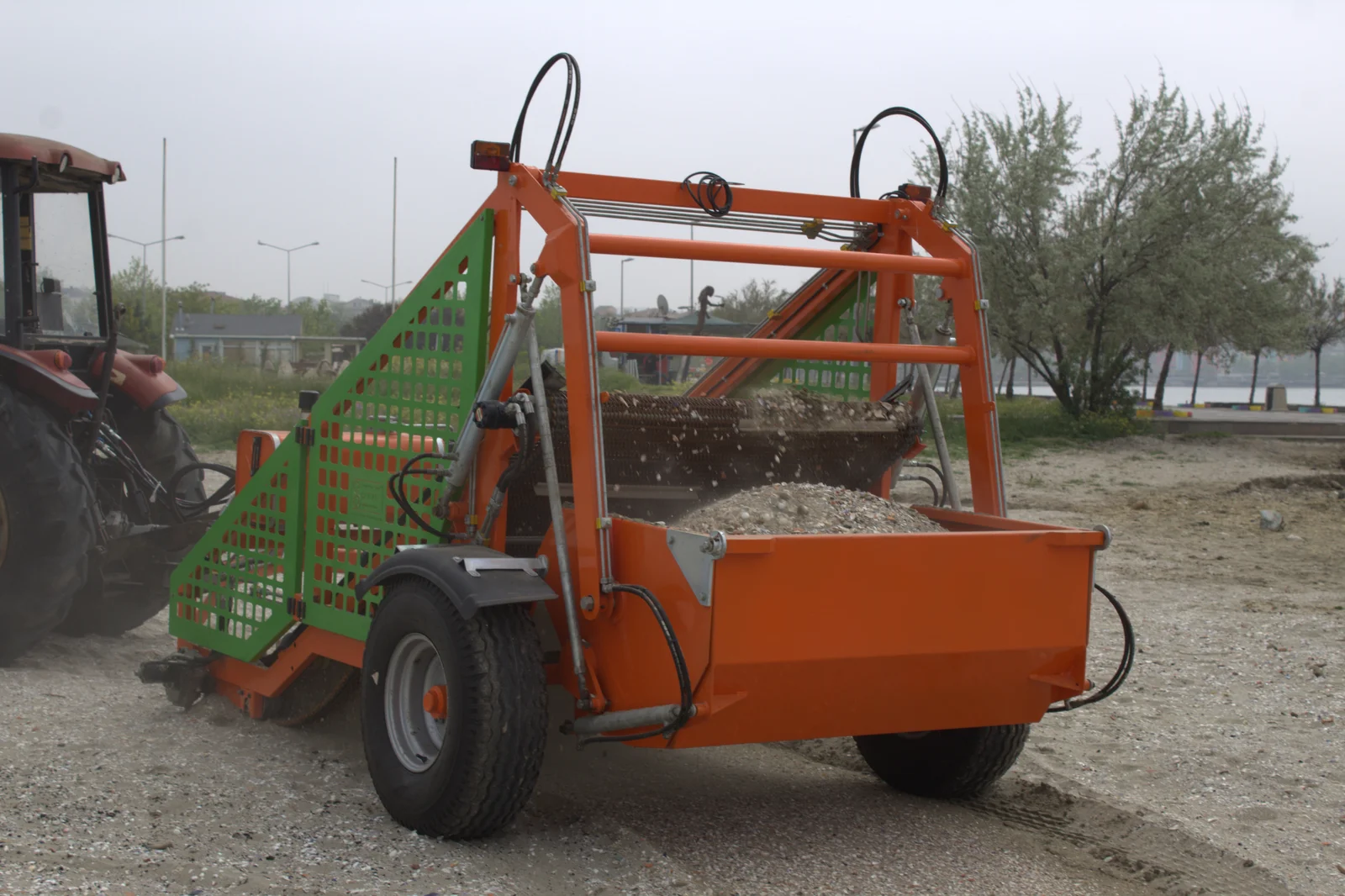
Choose equipment suited to the work area. Sand cleaning machines can separate solid debris from the sand, particularly on large surfaces that machinery can readily access.
Screening machines process sand at a set depth and separate out debris of suitable sizes. The machine collects the separated waste and returns the screened sand to the surface, reducing the amount of usable sand removed during cleaning.
Adapt the cleaning method to each area because zoo surfaces are designed for the needs of different species. In areas used for nests, tunnels or digging, machinery can alter the animals’ habitat.
Screening leaves some microorganisms and liquid contaminants in the sand. Follow the animal care and veterinary teams’ assessment when deciding whether heavily contaminated sand should be cleaned or replaced.
What Should You Consider When Cleaning Sand in Zoos?
Animal safety and habitat protection should come first. Identify areas suitable for machinery in advance and coordinate the work with the staff responsible for animal care.
Move animals safely to another area before operating sand cleaning machines and prevent them from entering the work zone. Assess how the machine’s noise, vibration and movement may affect animals nearby.
Surface conditions also guide equipment selection. Screens can perform differently in fine, coarse, loose or damp sand. The machine’s working depth and travel method should suit the surface being cleaned.
Before cleaning, check for plant roots, decorative rock features, irrigation systems and other elements, especially in naturalistic habitats. This helps protect the existing layout during the work.
How Often Should Sandy Areas in Zoos Be Cleaned?
Cleaning frequency depends more on how the area is used and how dirty it gets than on its size. Set a separate schedule for each area based on the species, their daily activity patterns and their care needs.
Check animal feeding and resting areas daily for accumulated droppings and leftover feed. In large sandy areas suitable for machinery, plan more thorough screening at intervals based on the condition of the surface.
Cleaning needs in sandy visitor areas can vary with foot traffic. During busy periods, staff may need to check for debris more frequently.
Seasonal conditions also affect maintenance. More leaves and plant debris collect in autumn, while rain can leave sand damp and compacted. Adjust the schedule throughout the year as surface conditions change.
Explore Our Sand Cleaning Machines for Zoos
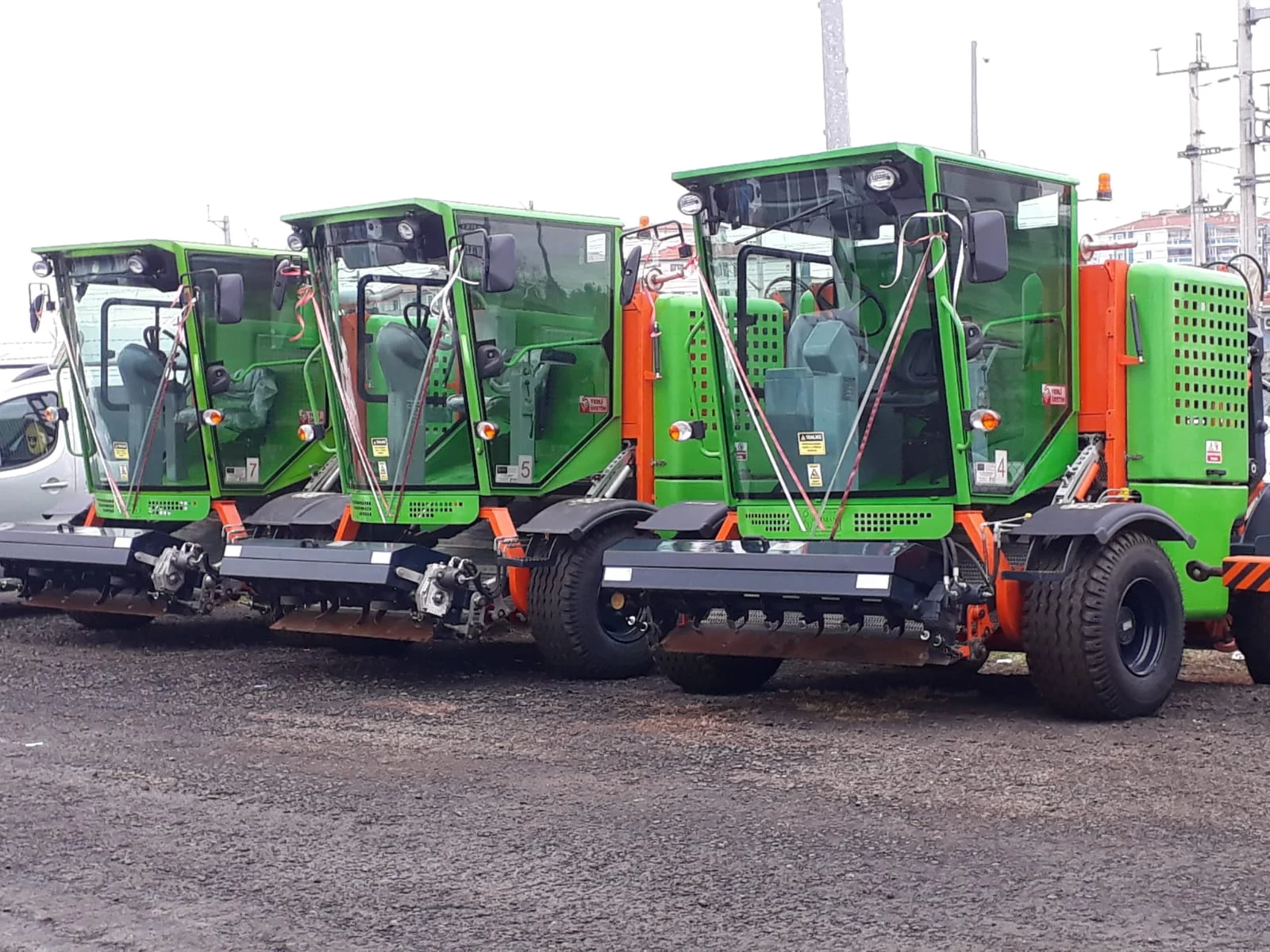
Batman Makine offers machines for maintaining large sandy areas in zoos where equipment can operate. These machines screen out stones, leaves, pieces of plastic and other solid debris, then return the cleaned sand to the surface so it can continue to be used. Options include tractor-towed and tracked models for different work areas, along with self-propelled models that operate without a separate towing vehicle. Choose equipment suited to the size of the area, the properties of the surface and how the area is used to remove accumulated debris effectively.












Our Documents
You can review our certificates, documents of conformity, trademark registrations, and patents, which support our quality, safety, and production standards.