
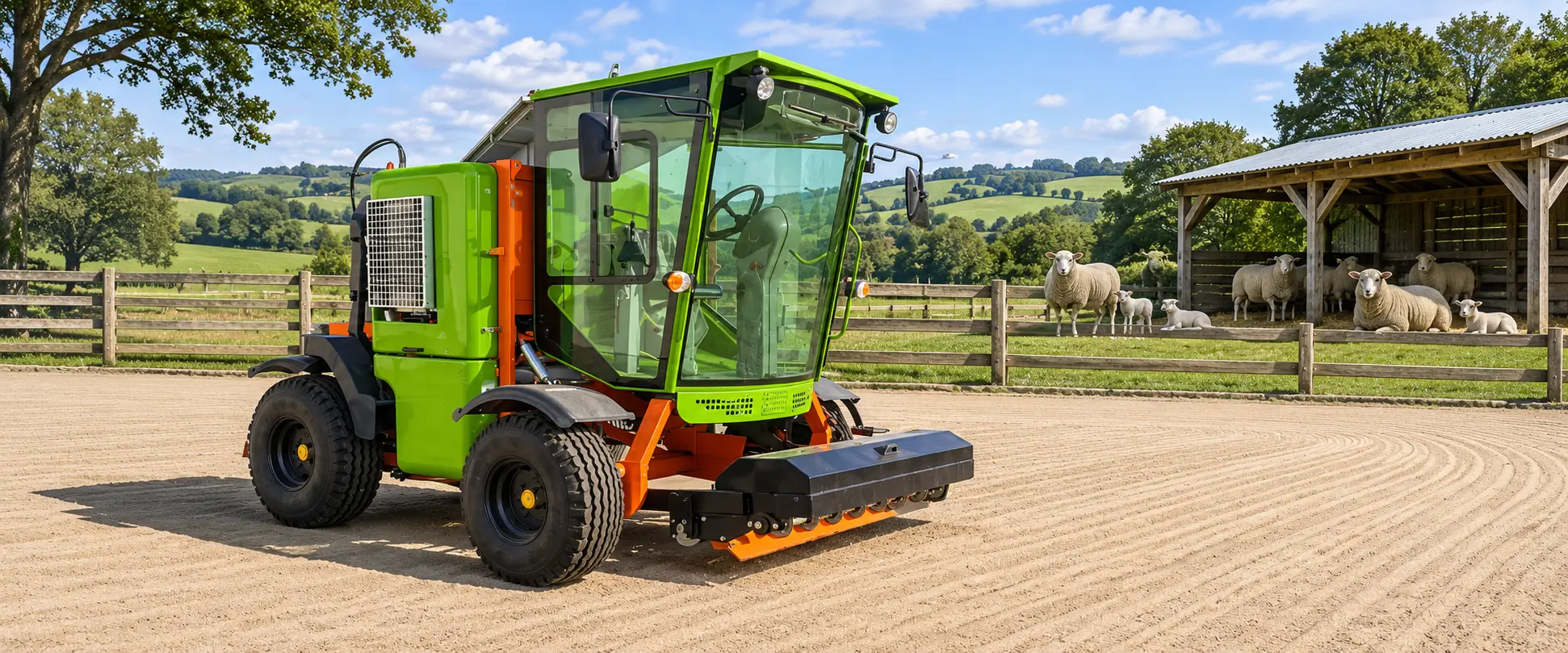
Surfaces on sheep farms vary according to the animals’ housing, resting and daily movement needs. Sand-floored sheep pens, outdoor exercise areas and places where sheep gather need regular maintenance based on how heavily they are used. Preserving the structure of the sand, monitoring surface conditions and using suitable cleaning methods are important parts of farm management.
Sheep farms can use sand cleaning machines suited to the surface and the size of the area. Machines with different operating systems can meet a range of sand surface maintenance needs.
Why Is Sand Cleaning Important on Sheep Farms?
Droppings, leftover feed, leaves and other organic waste can contaminate sand surfaces during daily use. This buildup can compromise hygiene and cause unpleasant odors, especially where animals gather. Regular cleaning helps control waste and keeps the animals’ surroundings cleaner.
Organic matter and excess moisture in the sand can create conditions in which microorganisms multiply. This warrants particular attention in resting areas where sheep spend long periods. Keeping the sand clean supports overall farm hygiene.
Debris mixed into the sand can also change the properties of the surface over time. Regular cleaning helps preserve usable sand and can reduce the need for replacement.
Metal tools, horseshoe nails and other debris in the sand can injure sheep, so it is important to remove them regularly.
How Is Sand Cleaned on Sheep Farms?
Cleaning involves separating accumulated droppings, leftover feed, stones and other debris from the sand. Before starting, assess the size of the area, sand grain characteristics, moisture content and level of contamination.
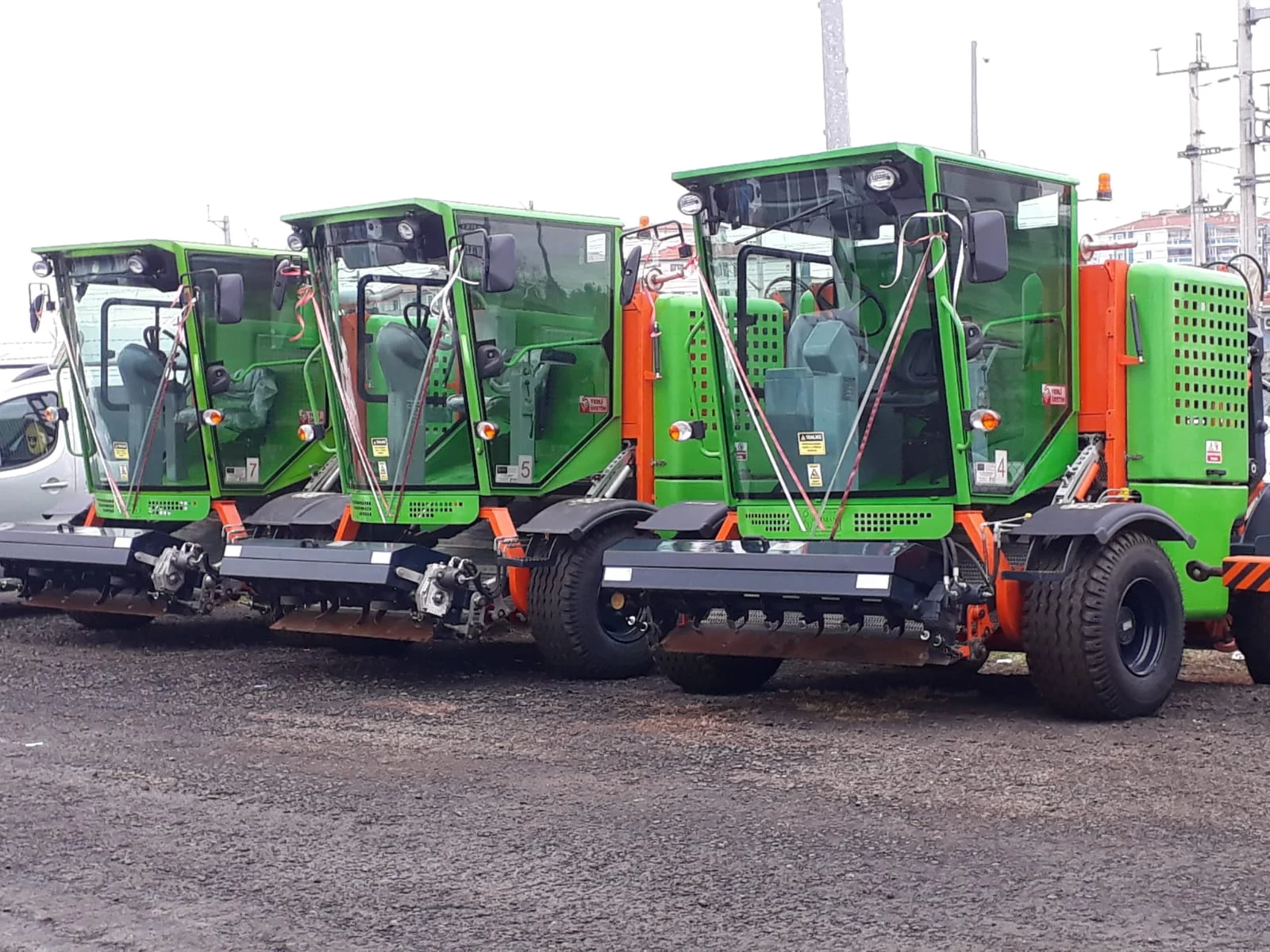
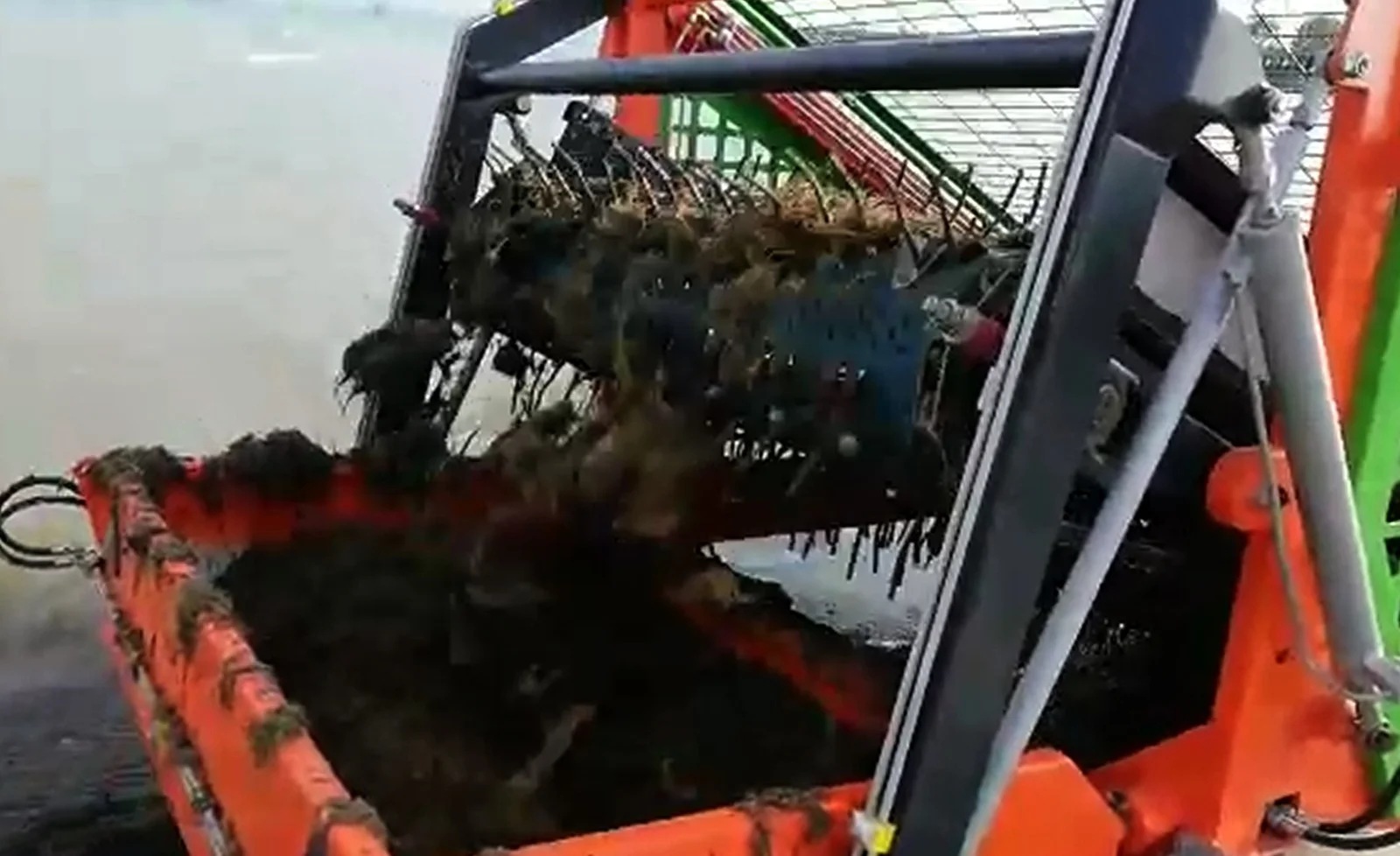
Sand cleaning machines use screening and separation systems to remove solid debris. The machines separate the waste from the sand, return the screened sand to the surface and collect the waste in a separate compartment.
Cleaning efficiency depends on the machine’s operating characteristics and the physical condition of the surface. When the sand is very wet or mixed with organic waste, the screening process may require more careful planning.
After cleaning, check the overall condition of the surface, how evenly the sand is distributed and whether it is at the right level. Level or adjust the surface where needed.

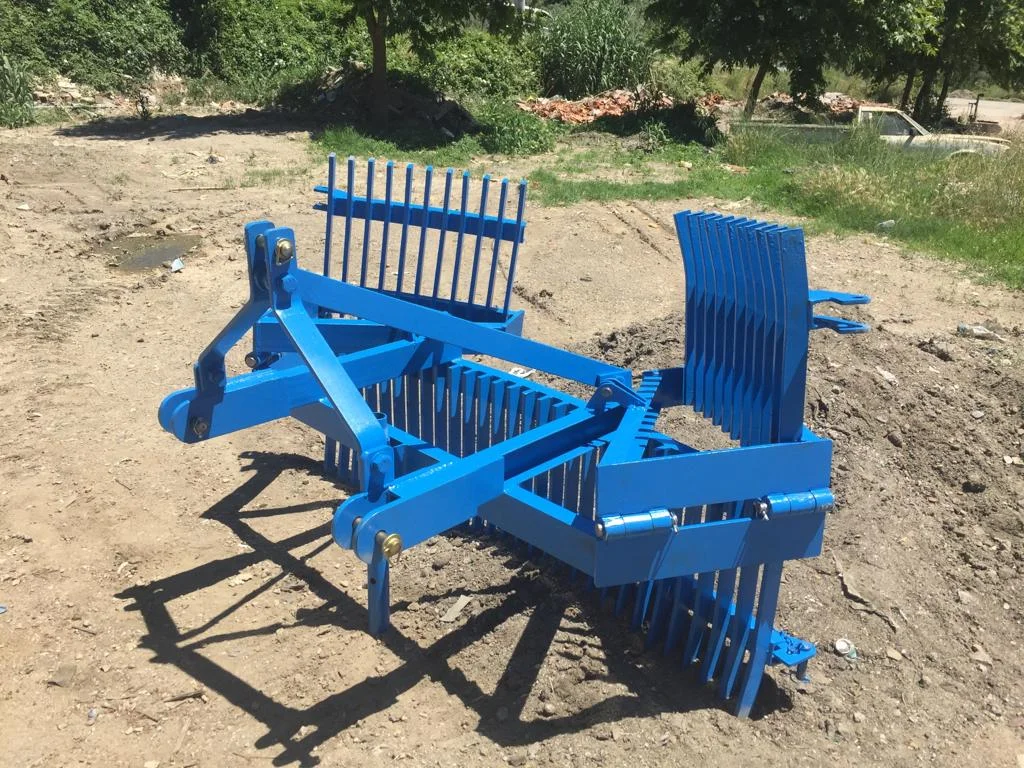
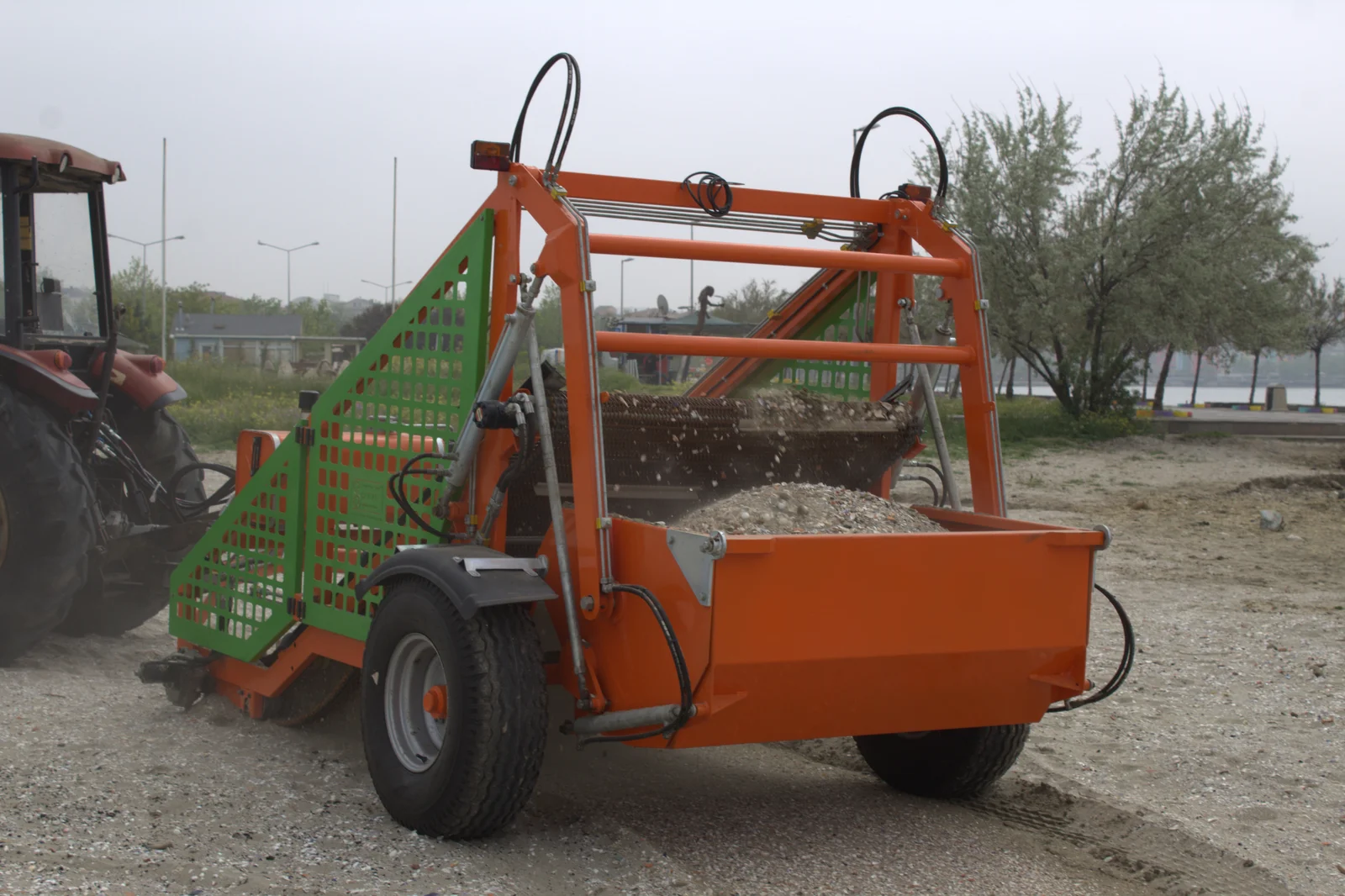
Sand Cleaning in Sheep Pens and Outdoor Areas
Indoor shelters and outdoor exercise areas can have different maintenance needs because they are exposed to different environmental conditions.
In sand-floored sheep pens, droppings and leftover feed can build up where animals rest or gather. When planning cleaning, consider how the sheep move through the space, how damp the sand is and whether equipment can access the work area. Check regularly for soiling around feeders and water troughs.
In outdoor exercise areas, stones, leaves and other debris can collect in the sand as a result of rain, wind and other environmental conditions. The sand can also become compacted or uneven along heavily used routes.
Sand cleaning machines can remove accumulated debris, particularly in large outdoor areas that equipment can access. When planning the work, consider the slope, access routes and how to move the animals safely out of the area.
What Should You Consider for Effective Sand Cleaning?
Choose equipment suited to the surface. Sand grain size, moisture content and compaction are among the main factors that affect machine performance.
Excess moisture after rain or around water troughs can cause sand grains to clump together. This can make it harder for the screen to separate sand from waste. Assess conditions in the work area and adjust the machine settings accordingly.
During cleaning, retain as much usable sand as possible. The machine’s screening capabilities and working depth should suit the type and distribution of waste in the sand.
Coordinate sand cleaning with routine farm maintenance. Maintaining drainage to prevent puddles, checking sand levels and topping up the sand where needed all help keep surfaces in good condition.
How Often Should Sand Be Cleaned on Sheep Farms?
Cleaning frequency can vary with the number of animals, how heavily the area is used, the properties of the sand and seasonal conditions. Set a cleaning schedule based on the needs of each farm.
Check for waste buildup daily in heavily used resting and feeding areas. Soiling around feeders and water troughs may require more frequent cleaning, depending on surface conditions.
Outdoor cleaning needs depend on both animal activity and the weather. During rainy periods, assess moisture and the risk of muddy conditions. During dry periods, monitor the buildup of stones, leaves and other debris.
When deciding how often to carry out thorough machine cleaning, consider how much waste has accumulated and the current condition of the sand. Use these checks to schedule cleaning when the farm needs it.
Explore Our Sand Cleaning Machines for Sheep Farms
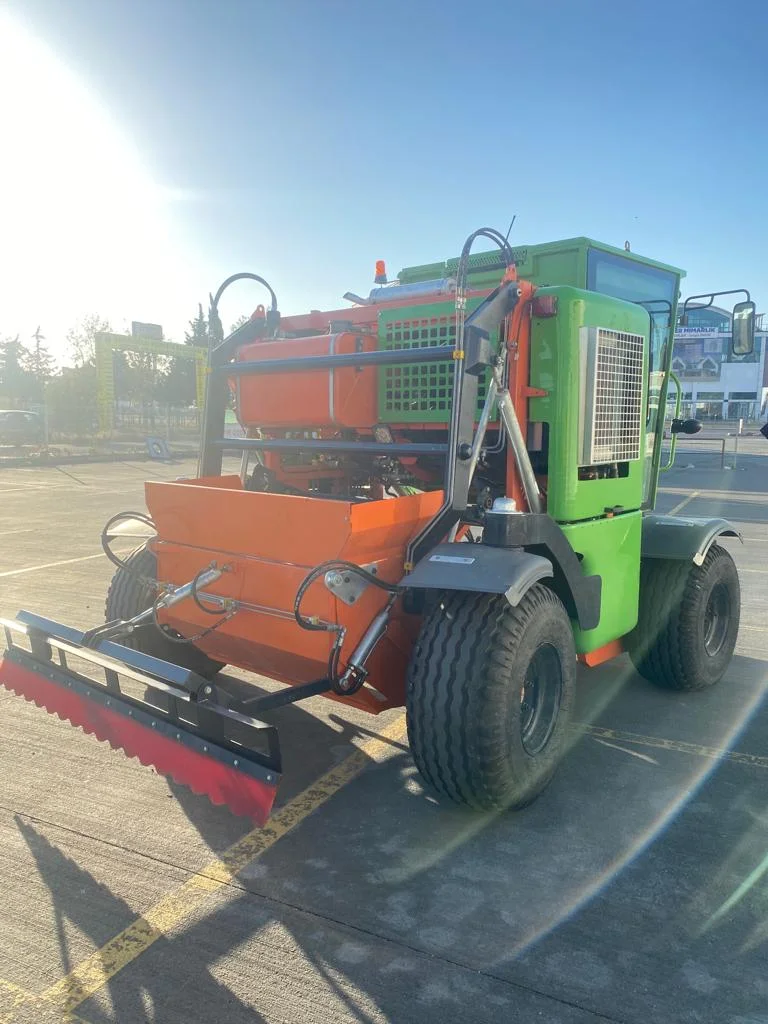
Batman Makine’s sand cleaning machines offer a practical and effective way to clean suitable sand surfaces on sheep farms. They separate stones, leaves, leftover feed and other solid debris, then return the screened sand to the surface to preserve usable material. Explore tractor-towed and tracked models for different area sizes and operating needs, along with self-propelled options that work without a towing vehicle. Choose a Batman Makine model suited to your farm’s surfaces and operating conditions to make debris removal easier.












Our Documents
You can review our certificates, documents of conformity, trademark registrations, and patents, which support our quality, safety, and production standards.